
Conflict and Democracy
Header Photo

Viadrina / Heide Fest
Key Facts
Degree
Master of Arts (M.A.)
Duration of study
4 semesters
Mode of study
Full-time, part-time
Main course language
English
Start of studies
Winter semester
Admission
Open admission
Costs
No tuition fees
Enrolment period
Winter semester: 1 June - 15 September
Assessment of admission requirements for educational foreigners
Winter semester: 1 June - 15 July
Updates from the programme
Series of events: Conflict and Democracy Laboratory
Designing change: Working through conflicts to shape democratic futures
Are you interested in how political and societal conflicts can be productively transformed in order to help strengthen democracies? Do you want to understand what makes liberal democracies vulnerable to authoritarian tendencies and what a resilient democracy of the future might look like? Are you curious about how international law and politics can enable effective international cooperation in the future, even in the face of rising authoritarian regimes, geopolitical challenges, and global crises?
The Master’s programme Conflict and Democracy combines political and legal sciences with applied conflict research. It is designed based on the premise that conflicts within democratic societies and between democratic and authoritarian entities shape our present and future. Such conflicts are inevitable and indispensable components of pluralistic coexistence and fundamental for the practical viability and further development of democratic structures. In the Master’s programme, you will learn how to capture and analyse the political dimensions of such conflicts, understand the various societal and constitutional dimensions involved, and acquire hands-on methods for managing societal and political conflicts. Your studies will combine a scientific-analytical perspective with practical and future-oriented skills.
As a graduate of the Conflict and Democracy programme, you will have demonstrated expertise in analysing and addressing political and societal conflicts at a local, national, European and international level. You will be familiar with the political and legal frameworks and governance mechanisms of democratic societies. You will be knowledgeable about scientific research methods and possess practice-oriented skills for managing conflicts within and on democracy.
Special Features
You can pursue the Master’s programme Conflict and Democracy entirely in English, but some courses are also offered in German.
This programme refines your international profile, benefiting from Viadrina’s strategic position at the interface of Eastern and Western Europe and thus providing a distinctive pan-European perspective.
You have the option to select the interdisciplinary elective “Central and East European Studies,” gaining insights into the history, cultures, societies and literatures of Central and Eastern Europe. By choosing this elective for both elective modules, you can develop an additional specialisation and receive a corresponding certificate upon graduation.
We offer extensive study abroad opportunities at over 290 partner universities worldwide. At Viadrina, nearly every second student is from abroad. This fosters an international community made of multilingualism, diverse perspectives and dynamic interaction.
The Master’s programme Conflict and Democracy will give you insights into different academic cultures, enhance your language skills and prepare you to navigate international contexts in a confident manner. During your studies, you will establish a valuable international personal and professional network.
We are committed to being a university defined by short distances and direct interactions. Our excellent study and learning conditions ensure that, as a student, you remain in personal contact with our researchers. Teaching and research are conducted in an open atmosphere within small learning communities. From the programme-specific student advisory service to the Career Center, a wide range of advisory services is available to support you with any questions and challenges you may encounter during your studies.
USPs
Why study with us?
- Highly relevant to society
- Academically grounded and practice-oriented
- International and interdisciplinary
- Personalised guidance and support
- Direct contact and short distances
- Offering a pan-European perspective
- University conveniently located near Berlin
Qualifications and Career Prospects
The Conflict and Democracy programme provides you with in-depth theoretical and empirical knowledge about the diverse and dynamic governance mechanisms of democratic societies. You will acquire extensive competencies and powerful tools to critically analyse, manage and constructively address political and societal conflicts within democracies and in the tension between democratic and authoritarian actors. This qualifies you for both an immediate entry into a professional career and further academic pursuits, such as a subsequent doctoral degree. In the Conflict and Democracy programme, you will acquire skills that extend beyond qualifications necessary for professional success but such that are essential for shaping a successful future: You will learn and experience how to responsibly and knowledgeably introduce future-relevant topics into our society and how citizens can effectively shape and transform the reality of democracy.
The programme prepares you for specific career fields in both national and international contexts, including:
- Academia and science communication, e.g., in social science or interdisciplinary teaching and research institutions
- Civic education, continuing education and extracurricular education
- Conflict mediation, conflict management, and municipal conflict counselling
- Diplomacy and international cooperation in governmental institutions and international organisations
- Foundations, cultural or religious initiatives
- Political consulting, organisational consulting and communications consulting
- Politics and administration at local, regional, national and EU levels
- (Social) media, publishing, communications and public relations
- Socio-political work in non-governmental organisations, trade unions, and advocacy groups
Application and Enrolment
Academic requirements
To enrol in the Master’s programme in Conflict and Democracy, you will need:
- a first university degree comprising at least 180 ECTS credits
- evidence of at least 30 ECTS credits in subjects with a focus on Social Sciences, Political Sciences or Law
Language requirements
You must demonstrate proficiency in English at level B2 of the Common European Framework of Reference for Languages (CEFR). The following certificates are accepted:
- TOEFL (IBT): at least 80 points (before 21 January 2026) / at least 4.5 points (from 21 January 2026)
- Cambridge Advanced or Proficiency: at least 176 points
- IELTS (IELTS for Study): minimum score 6.5
- UNIcert II
You do not need to provide proof of German language proficiency when enrolling; however, they are an advantage when choosing from the range of German-taught courses.
Admission to this study course is unrestricted. You will be offered a place on the study course if you meet the requirements and enrol within the deadlines.
Enrolment for the first subject semester is possible in the winter semester.
If you obtained your school-leaving qualification abroad, you are classified as an educational foreigner. In this case, your eligibility for admission will be assessed by uni-assist e.V. and shorter deadlines apply. Our step-by-step guide will help you with your application. Once uni-assist has reviewed your application, your documents will be forwarded to us. You will receive your login details for our viaCampus portal and further information on enrolment from the Admissions Office.
If you have obtained your school-leaving qualification in Germany or hold German citizenship, you enrol online directly in viaCampus. There, you will upload the required documents.
Enrolment for a higher subject semester is possible in viaCampus for both the winter and summer semesters. Please note that you will need a placement certificate to enrol in higher subject semesters. You can find information on the classification confirmation here. If you have any questions regarding credit recognition or planning your studies, your Student Advisory Service will be happy to assist you. For further information on enrolment, please visit our website Application and Enrolment.
If you are coming to Viadrina as a visiting student for a semester abroad, or if you have decided to complete your entire degree programme at Viadrina, you will find additional information for incoming students here.
Admissions Office: Advice on the application and enrolment process
Central Student Advisory Service: further advice on starting your studies (housing, financing, arriving)
Viadrina International Affairs: specific information and advice for prospective students from abroad
Introducing Lecturers and Staff
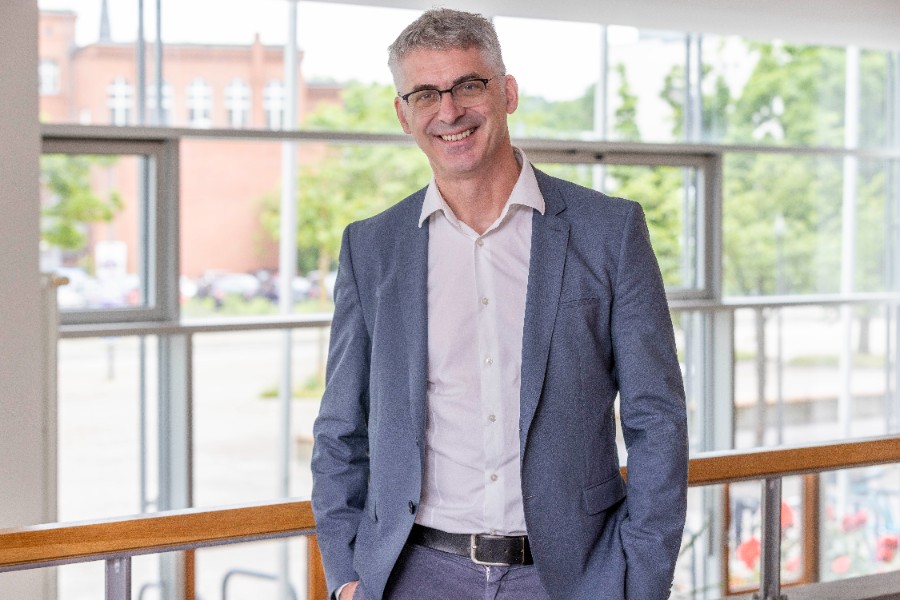
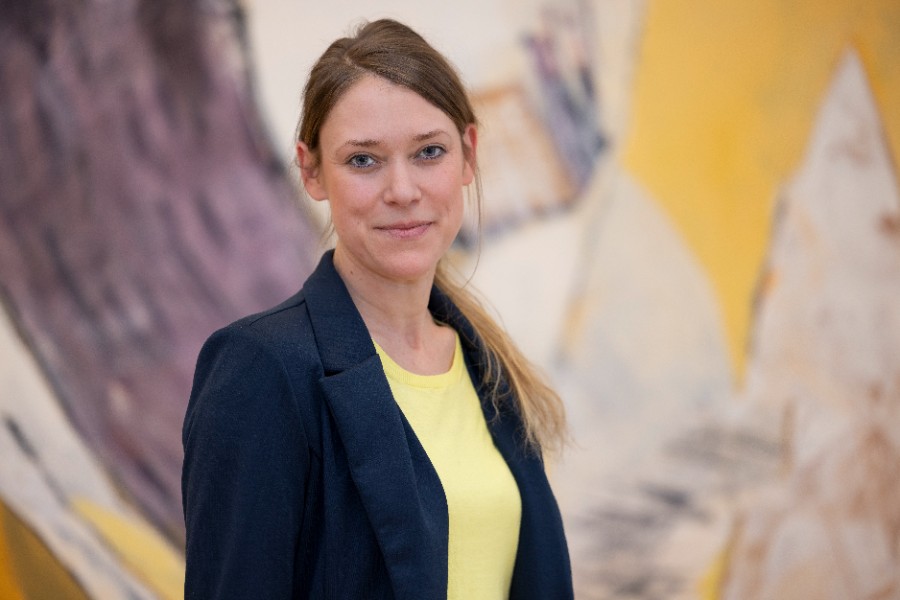
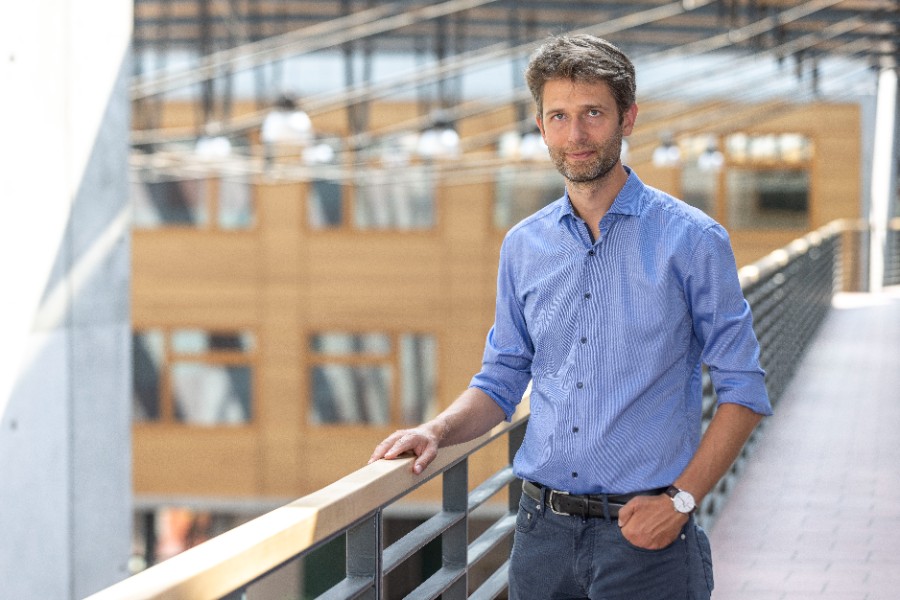
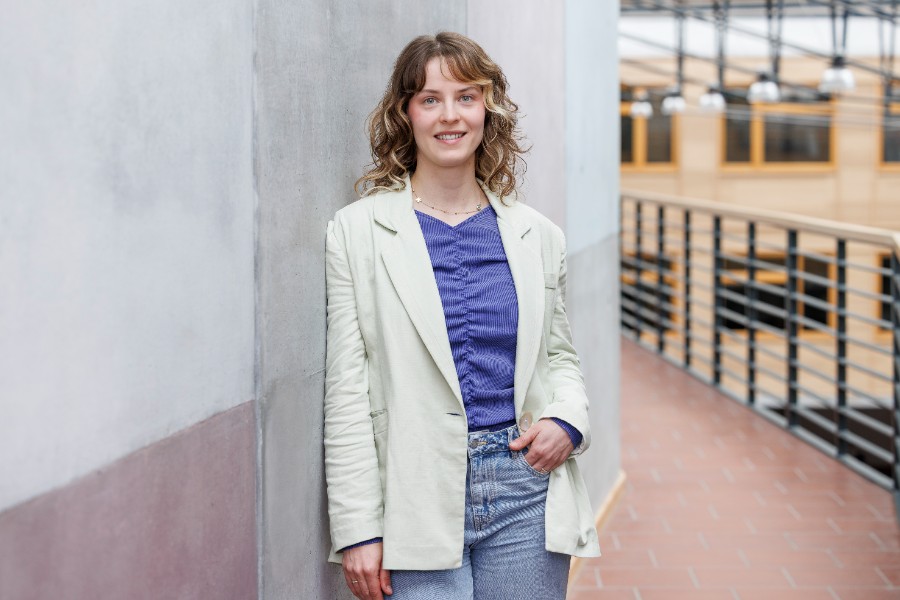
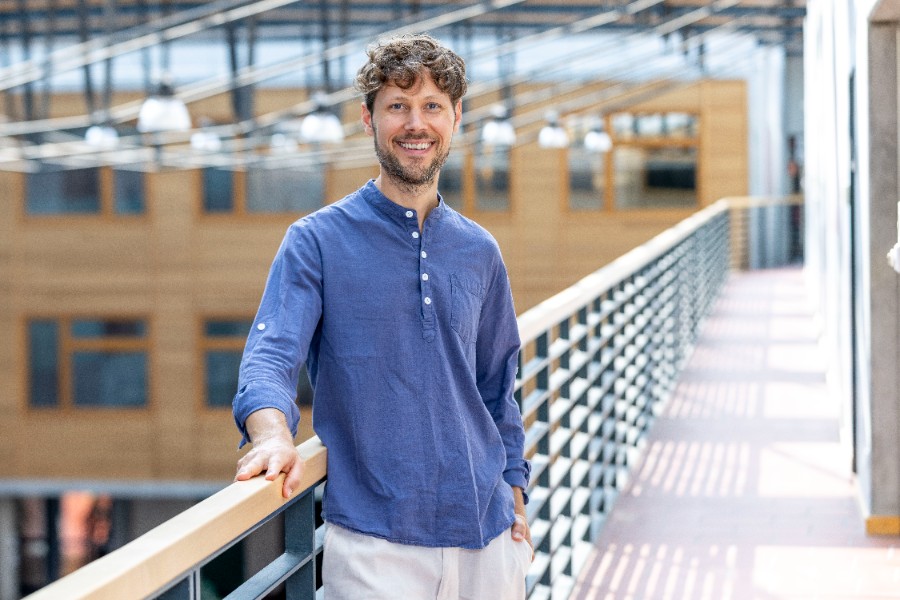
Dr Mitja Sienknecht
Project Staff at the AI Social Science Lab for Research-Based Learning (SKILL)
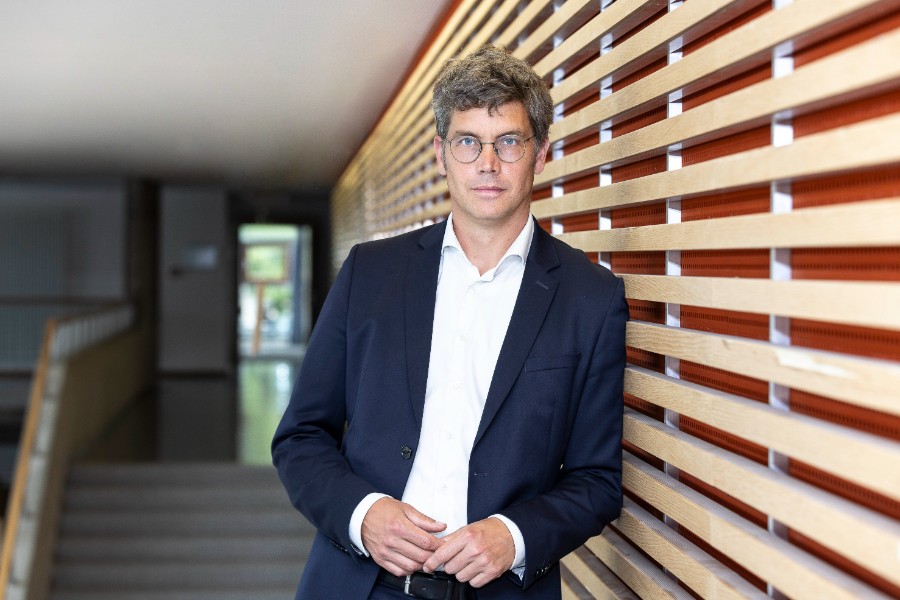
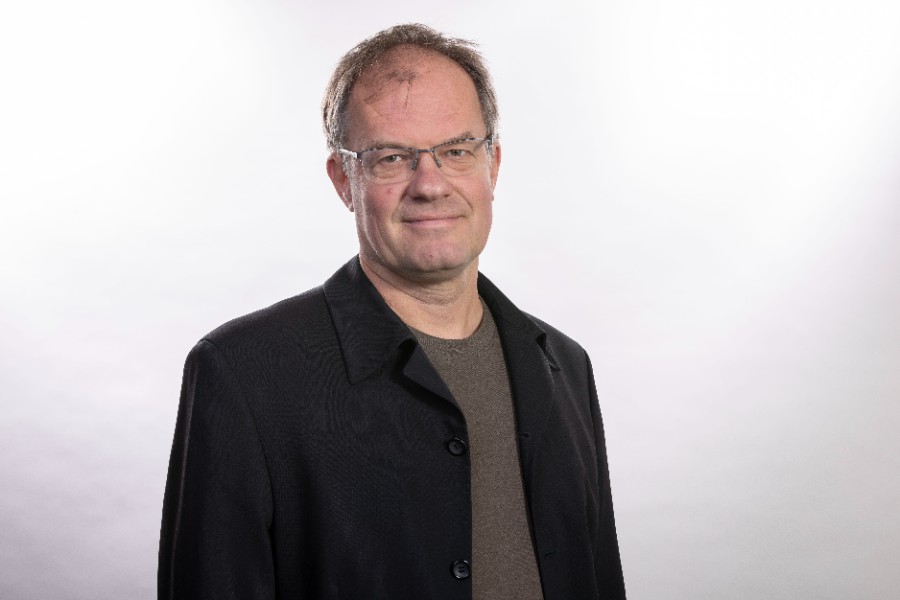
Prof Dr Timm Beichelt
Chair in European Studies, Dean of the Faculty of Social and Cultural Studies
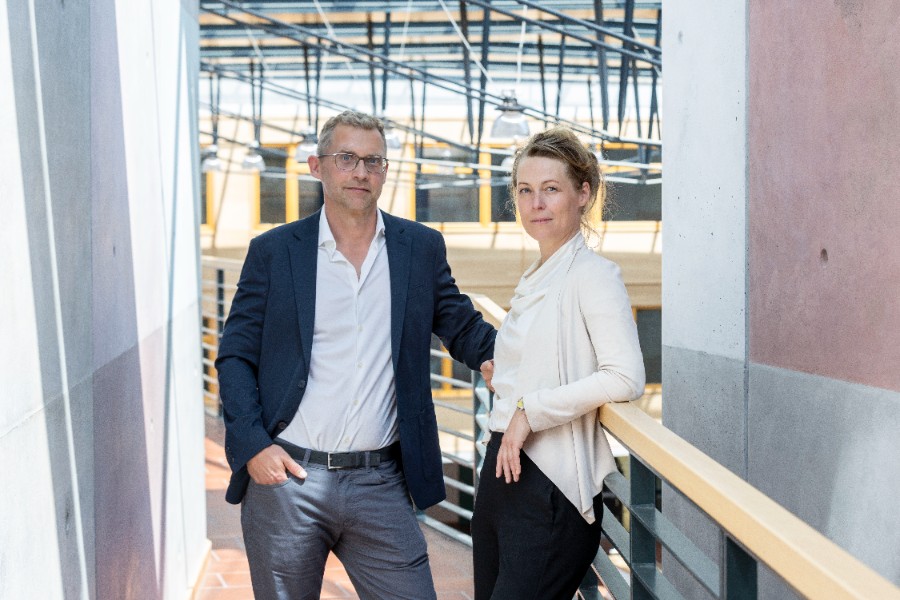
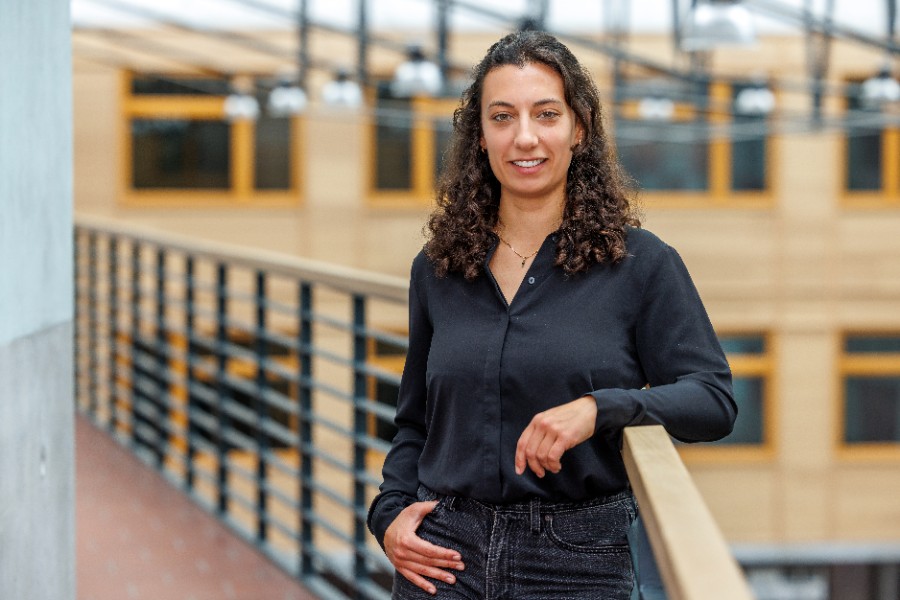
Laura Gerards Iglesias
Co-Head Dialogue and Transformation at the Institute for Conflict Management
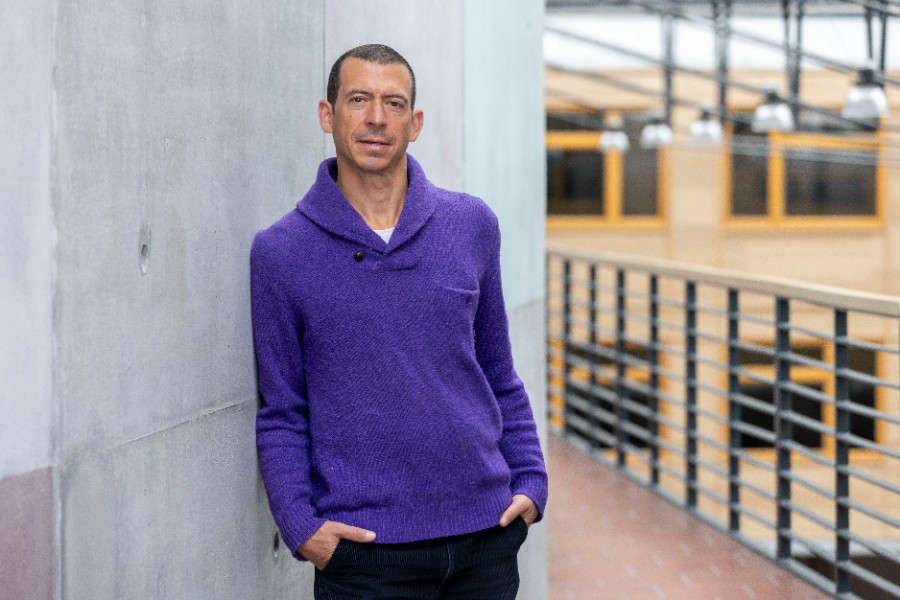
Dr Felix Wendenburg
Co-Head Dialogue and Transformation at the Institute for Conflict Management
Laura Bannan-Fischer
Academic Student Advisory and Academic Staff Member at the Institute for Conflict Management
Programme Structure
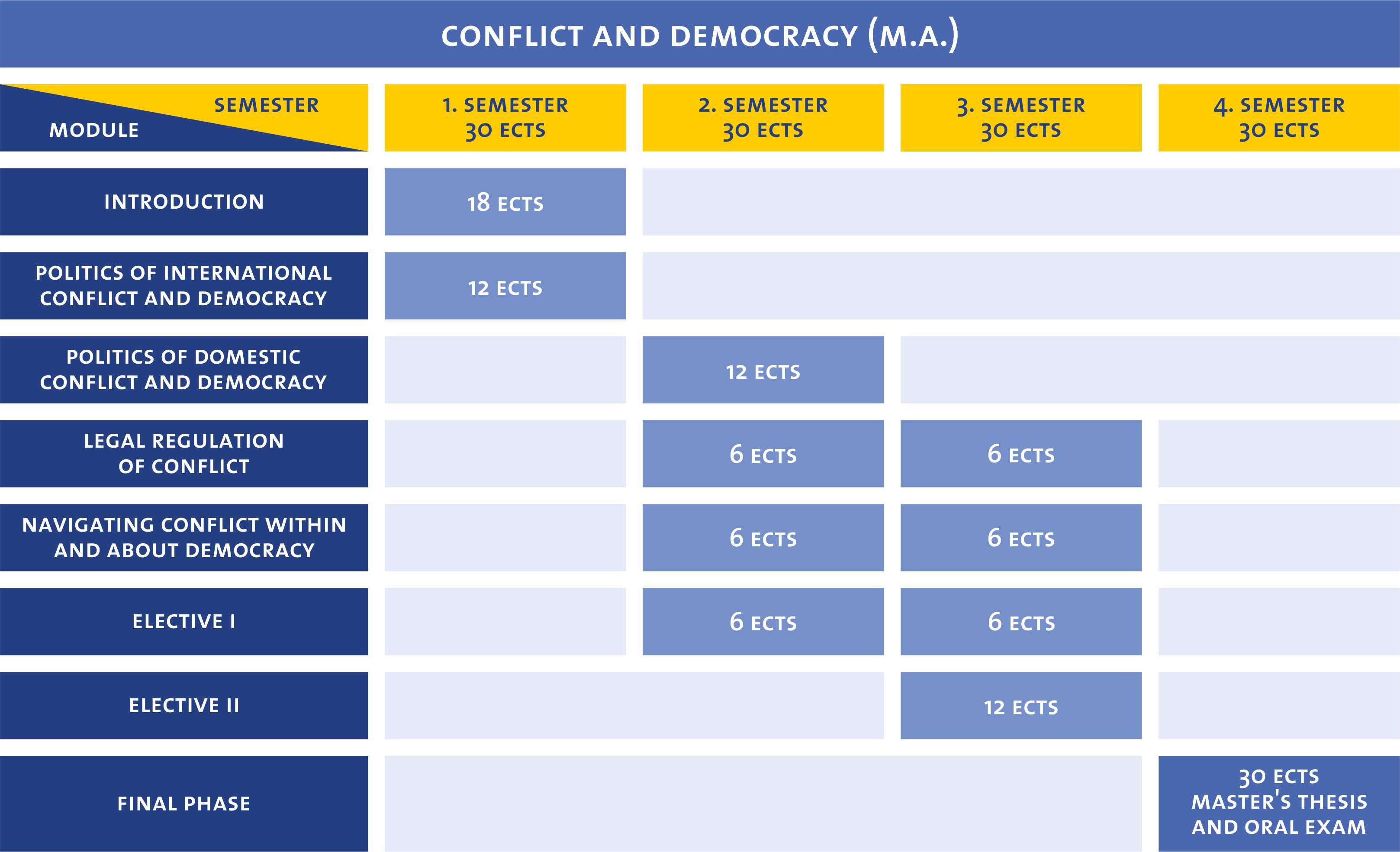
The introductory module provides a foundation of political science, law and applied conflict studies.
This sets the stage for three specialisation modules that enhance your knowledge in the mechanisms of interest negotiation and conflict regulation within democracies, as well as in national and international politics:
- In the module Politics of International Conflict and Democracy, you will explore the causes of war and peace, persistent international conflicts, the role of international organisations in conflict resolution, narratives and identity in international politics as well as international security policy.
- The module Politics of Domestic Conflict and Democracy examines the unfolding, institutionalisation, and management of political and social conflicts within democratic and authoritarian systems. Key topics include state and conflict forms, populism as a political strategy, political dynamics and processes in democratic and authoritarian states as well as capitalism and social structure.
- The legal module Legal Regulation of Conflict focuses on topics such as the rule of law, European legal traditions, transitional justice, international climate justice, collective labour law, and the international humanitarian law.
The practice module Navigating Conflict within and about Democracy enables you to gain real-world knowledge and practical skills in interest-based conflict management within societal and political contexts. This includes conflict analysis, communication, negotiation, mediation, dialogue design and dilemma management.
During the course of your studies, you will enhance these specialisations by selecting two elective modules. You have the following options:
- Specialise in the modules on political science or law from the core curriculum
- Pick interdisciplinary electives:
- Central and East European Studies
- Cultural History
- Gender and Queer Studies
- Philosophy and Arts in Times of Crises
- Pick the module on Language and Practice, in which you can enhance your practical experience and/or foreign language skills. You have the opportunity to learn a modern European foreign language, with all language courses at Viadrina Language Centre offered free of charge. Alternatively, you can build practice-related skills by completing an internship, attending courses on practical skills, or obtaining additional certificates.
In the concluding phase of your studies, you will complete a Master’s thesis on a topic of your choice, followed by an oral examination (final colloquium).
Programme Coordination and Academic Student Advisory

Heide Fest
Laura Bannan-Fischer
Programme Coordination and Academic Student Advisory
- Große Scharrnstraße 59 | 15230 Frankfurt (Oder)
- HG Room 071
- +49 (0) 335 5534-5303
- master-code@europa-uni.de
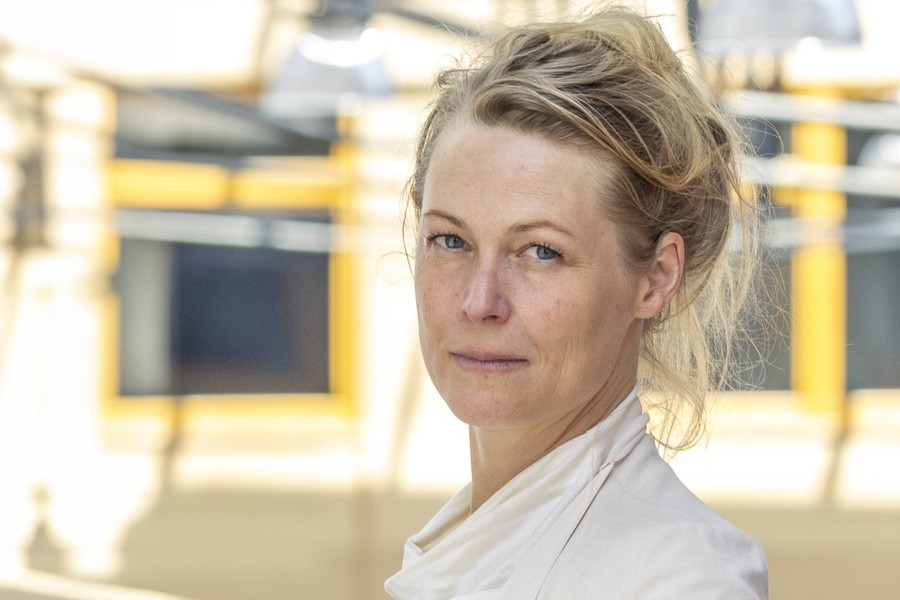
Heide Fest
Dr Anne Holper
Head of Programme
- Große Scharrnstraße 59 | 15230 Frankfurt (Oder)
- HG Room 070
- +49 (0) 335 5534-5308
- holper@europa-uni.de