
Sustainable, equitable, independent – the future of Ukrainian studies takes centre stage at the opening of Ukrainian Week
On 12 October 2026, the Global Coalition of Ukrainian Studies (GCU) Ukrainian Week was launched at Viadrina University. In addition to Viadrina’s accession to the GCU, the programme – which included lectures, a discussion, an exhibition and other events – provided insights into how Ukrainian studies at German universities can be strengthened in the long term and what is needed for even closer cooperation with Ukrainian universities.
This Monday, the Logensaal at the European University Viadrina became the venue for German-Ukrainian academic cooperation: numerous guests from Brandenburg, Germany and Ukraine gathered for the opening of Ukrainian Week. The highlight of the event was the signing of a memorandum whereby Viadrina joins the Global Coalition for Ukrainian Studies and thereby commits to the further expansion of Ukrainian studies. In return, the university gains access to an international network for Ukrainian studies, as well as support from the Ukrainian side in developing curricula and embedding Ukrainian studies within the institution.
gallery-ukrainian-week
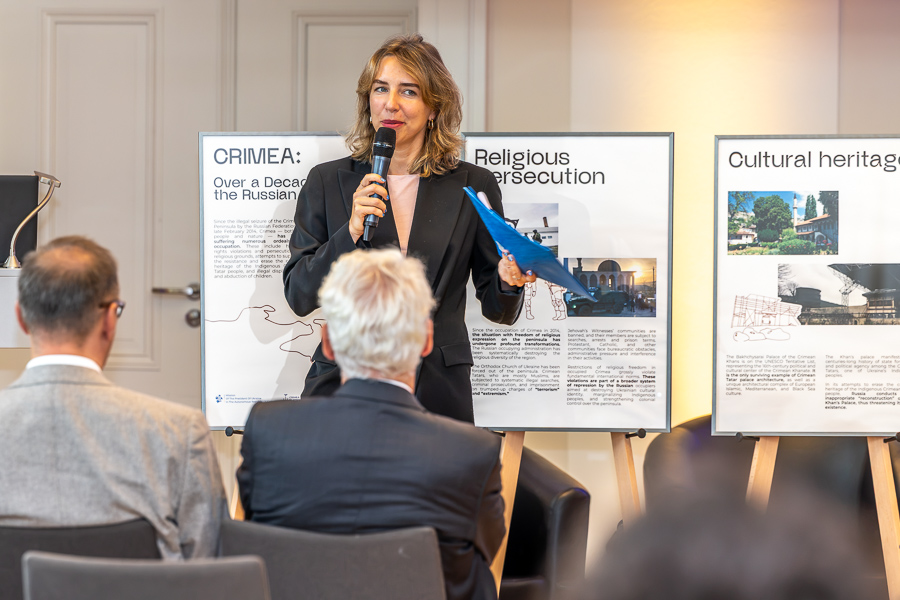
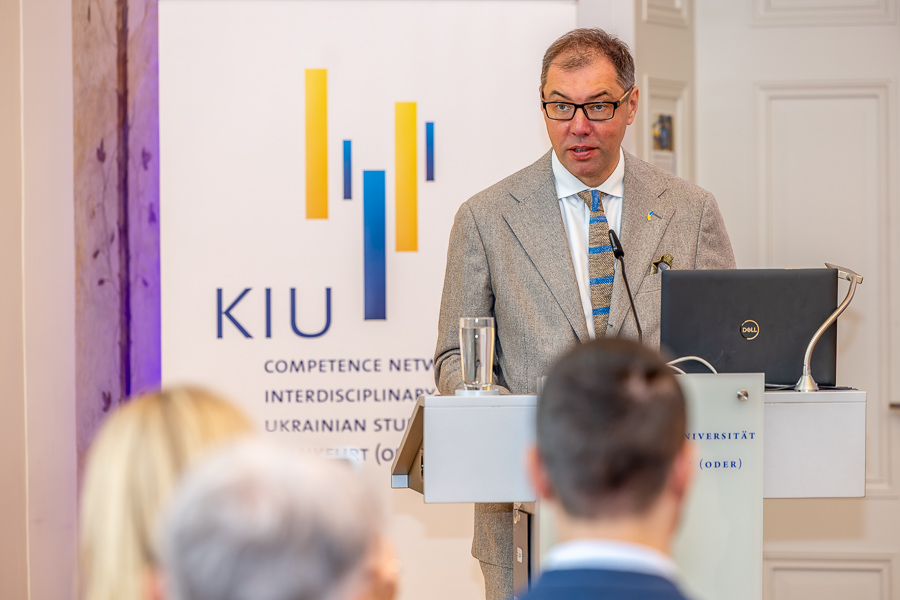
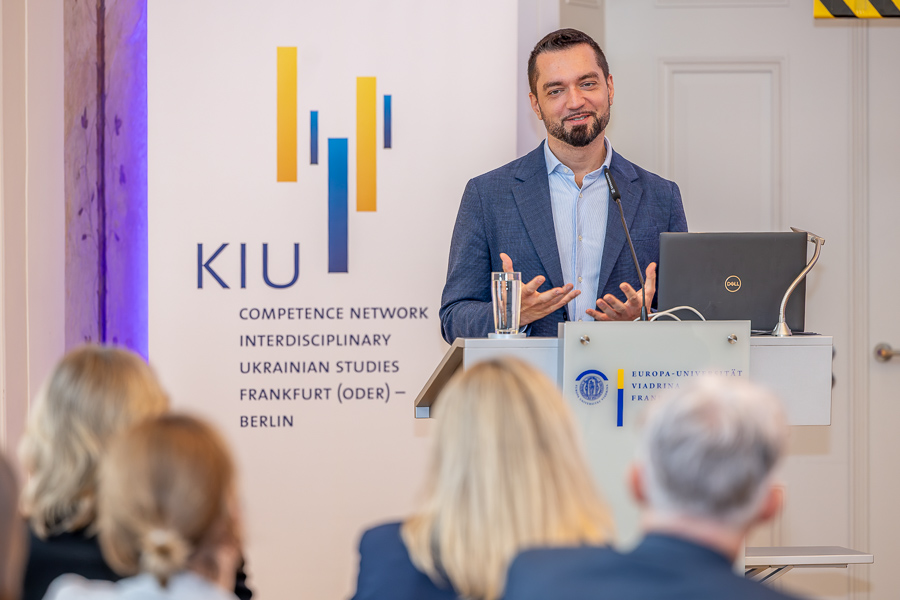
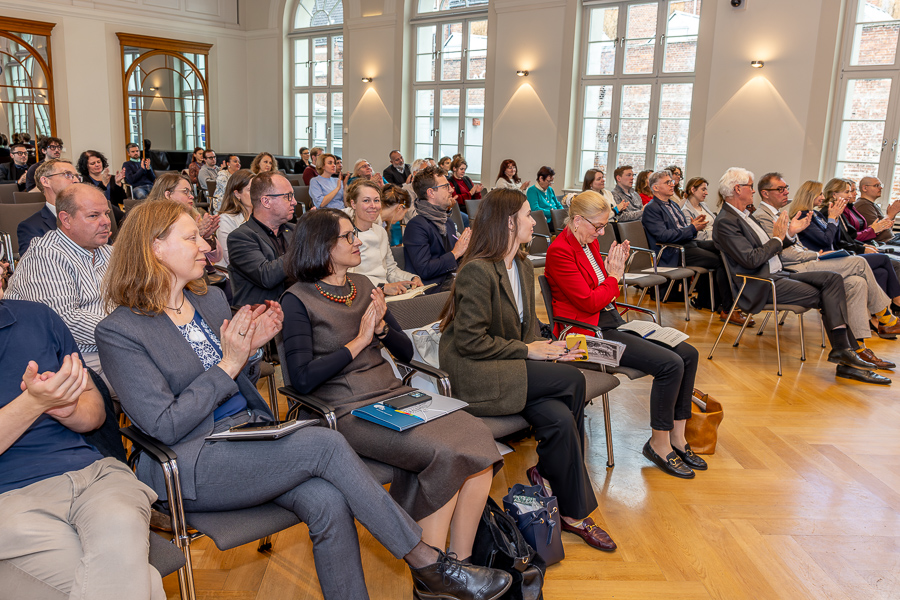
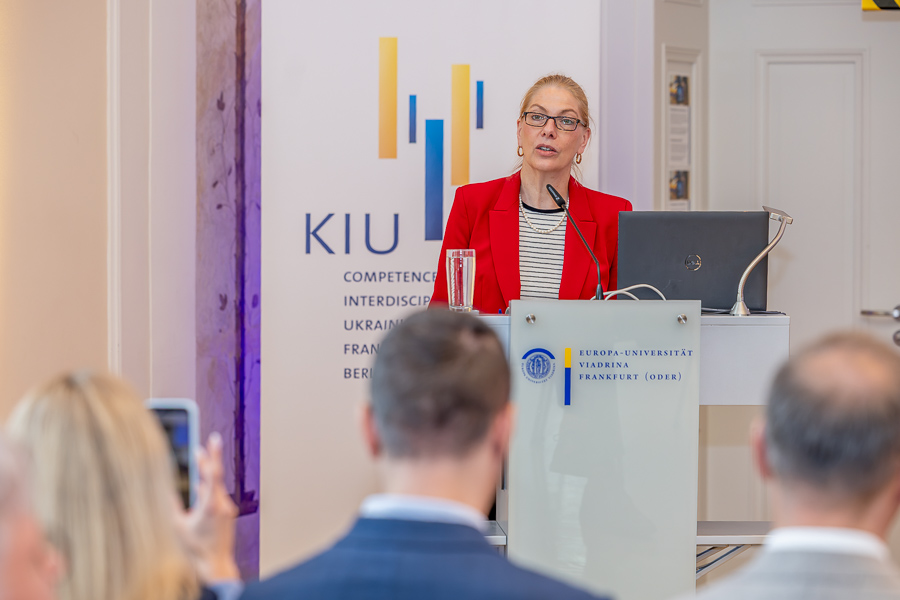
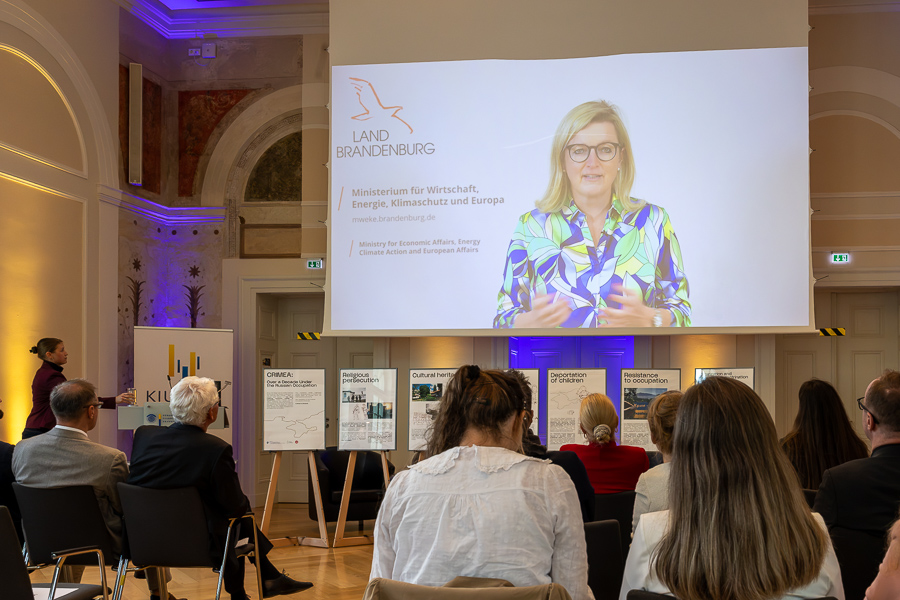
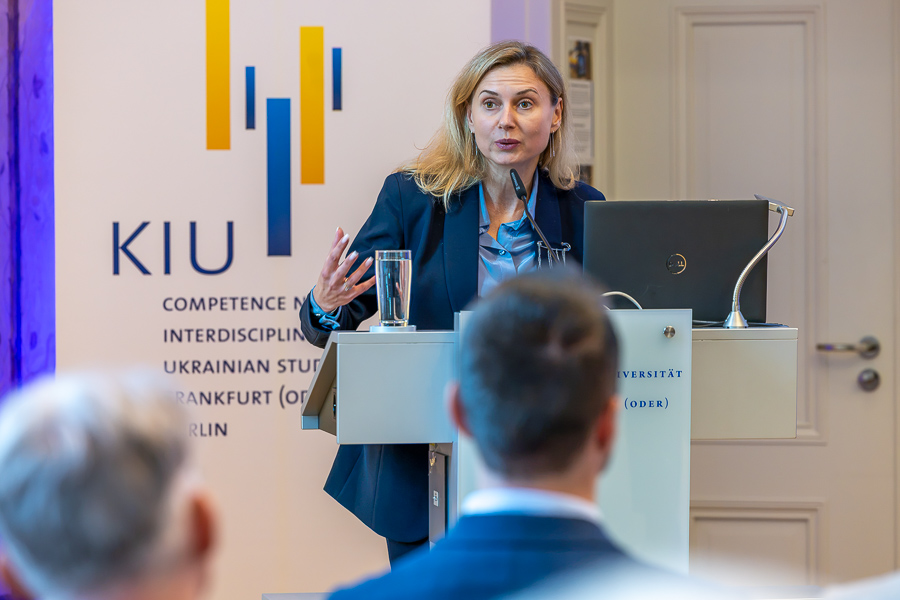
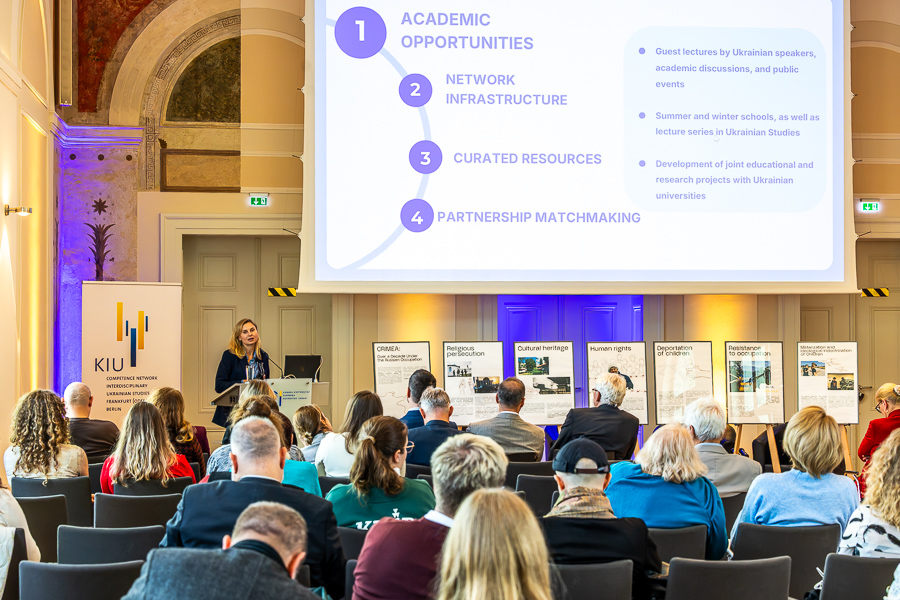
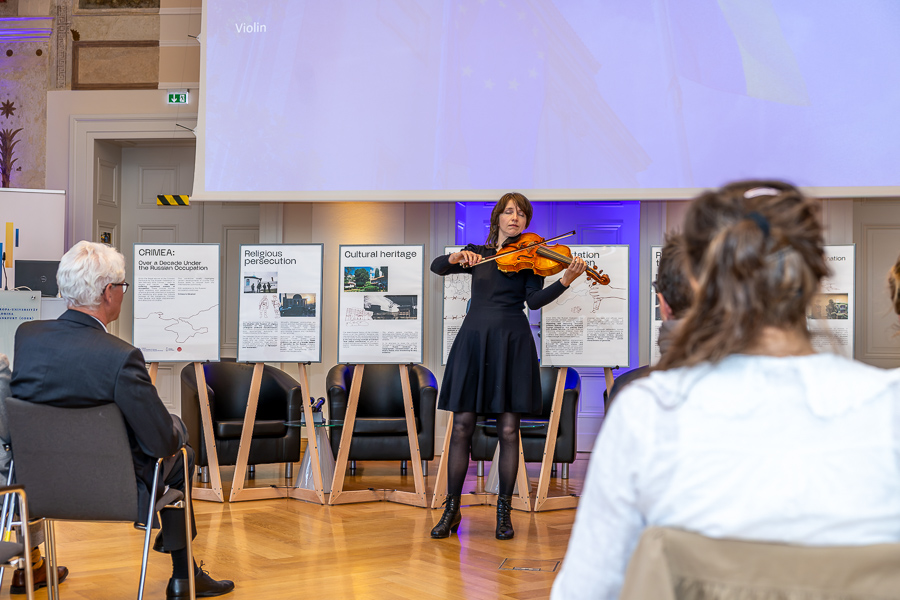
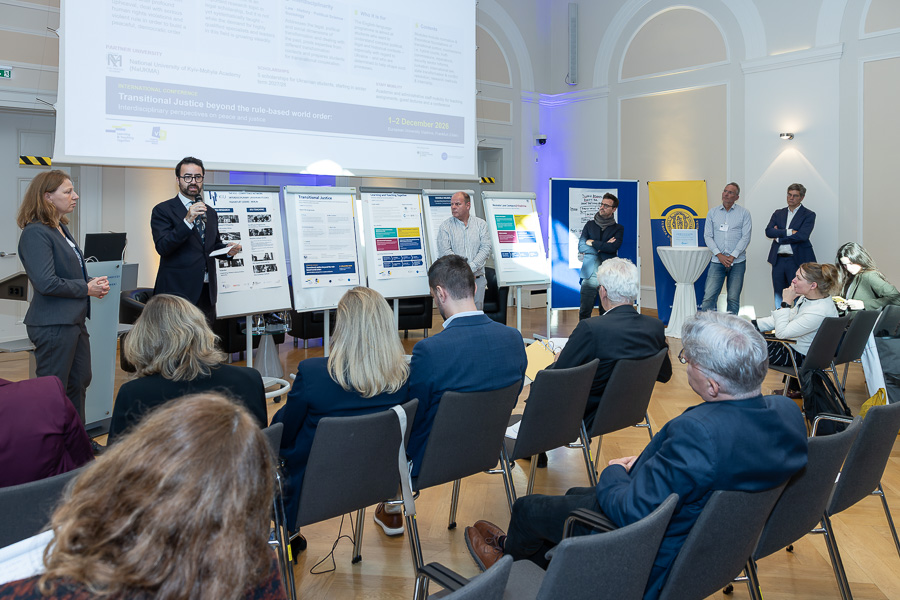
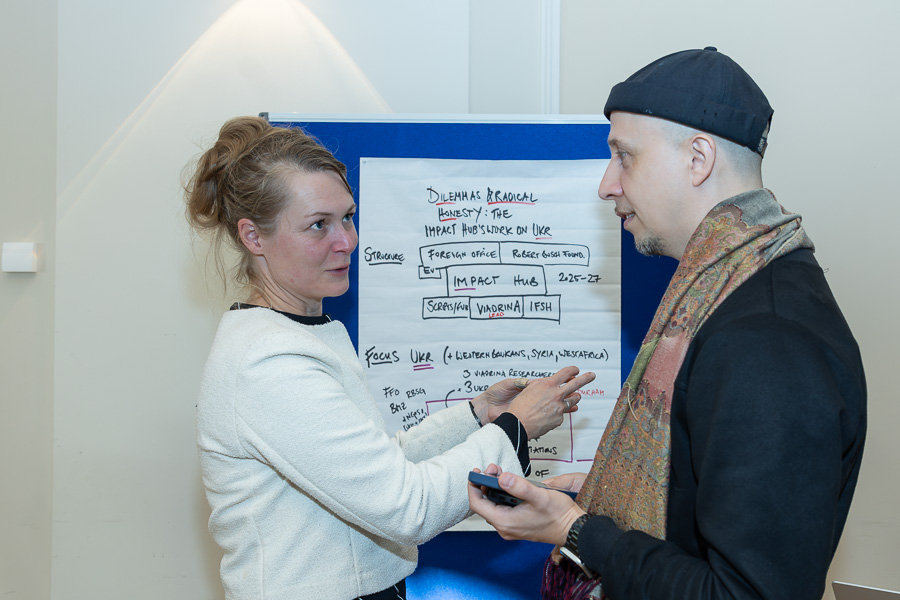
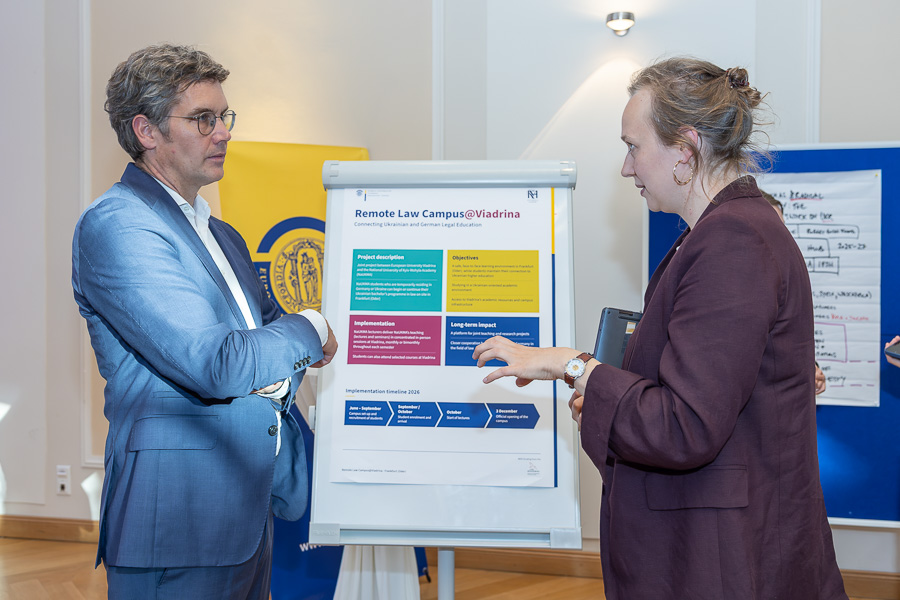
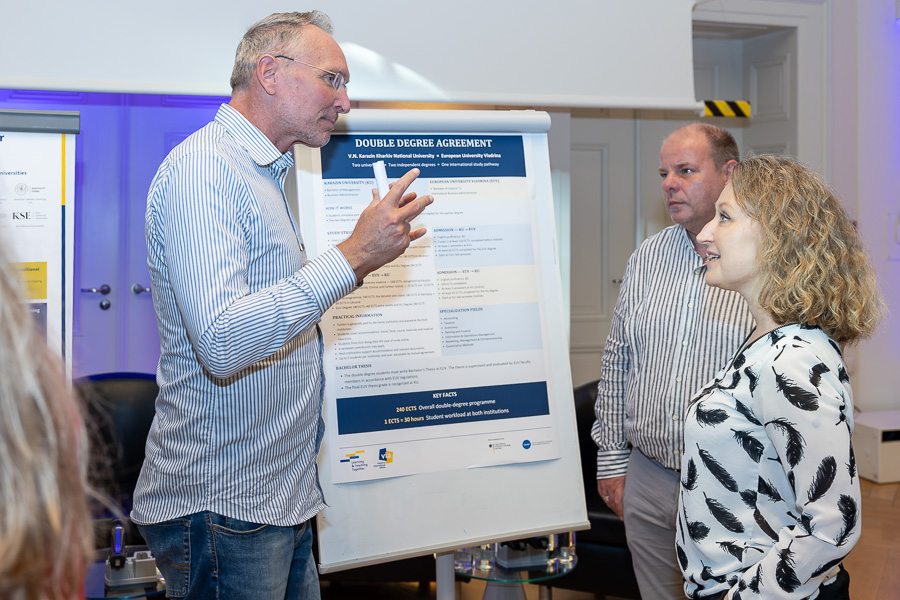
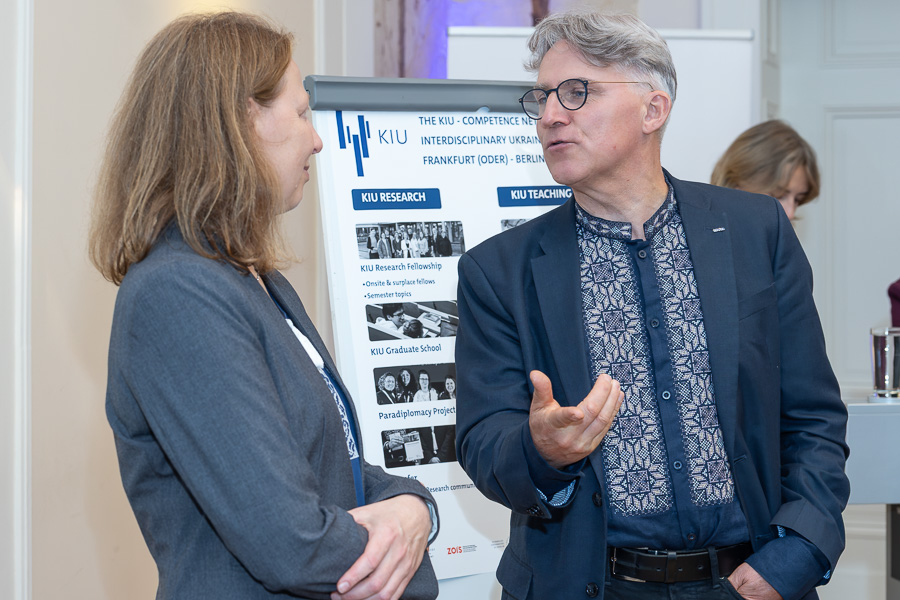
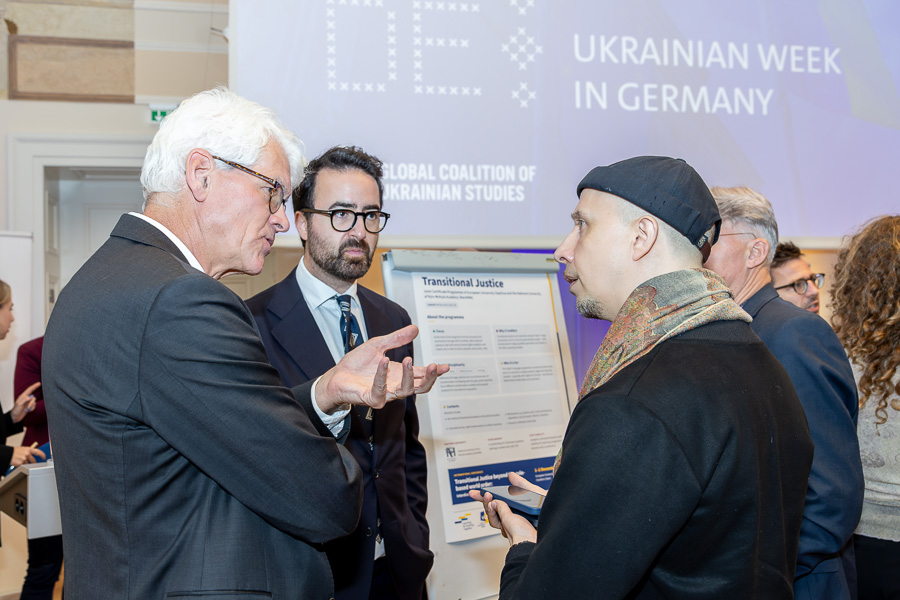
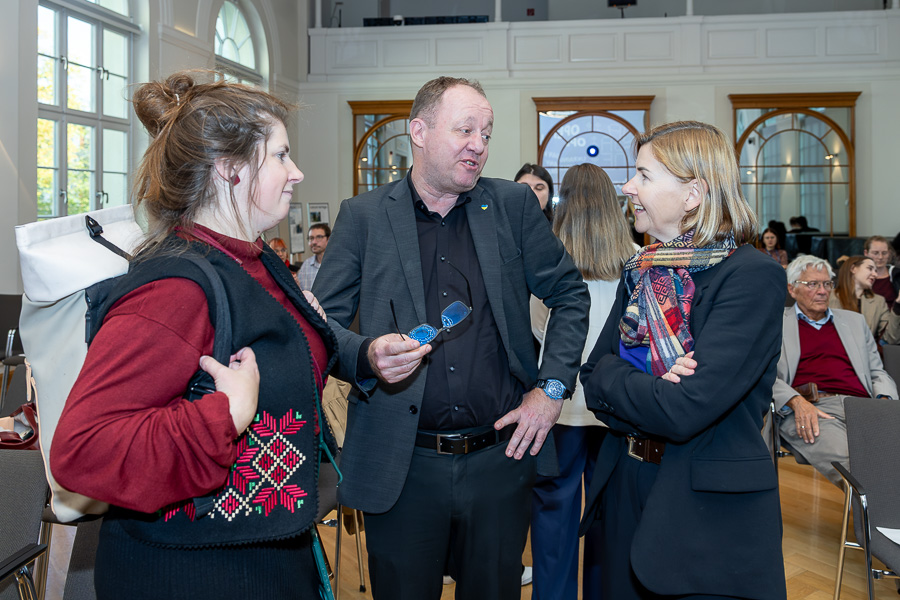
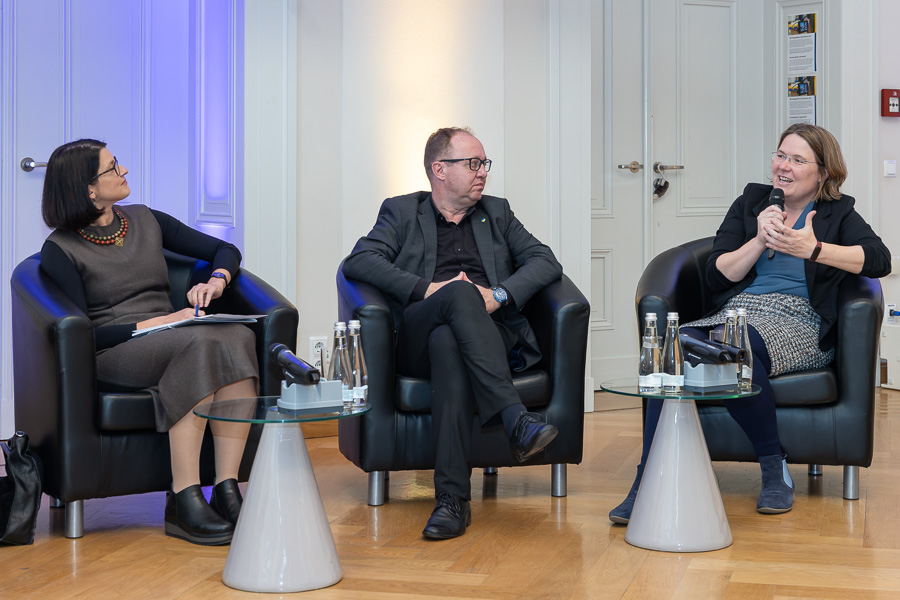
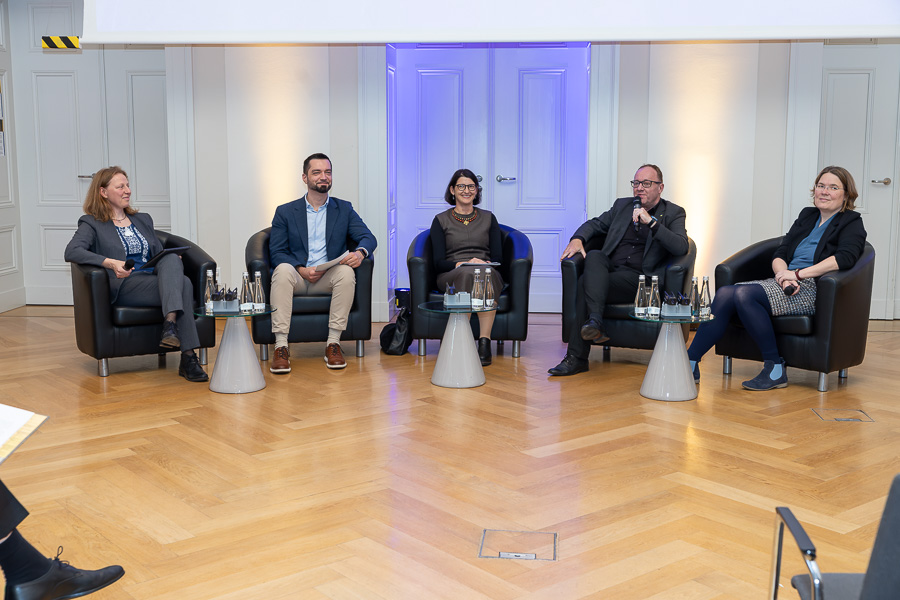
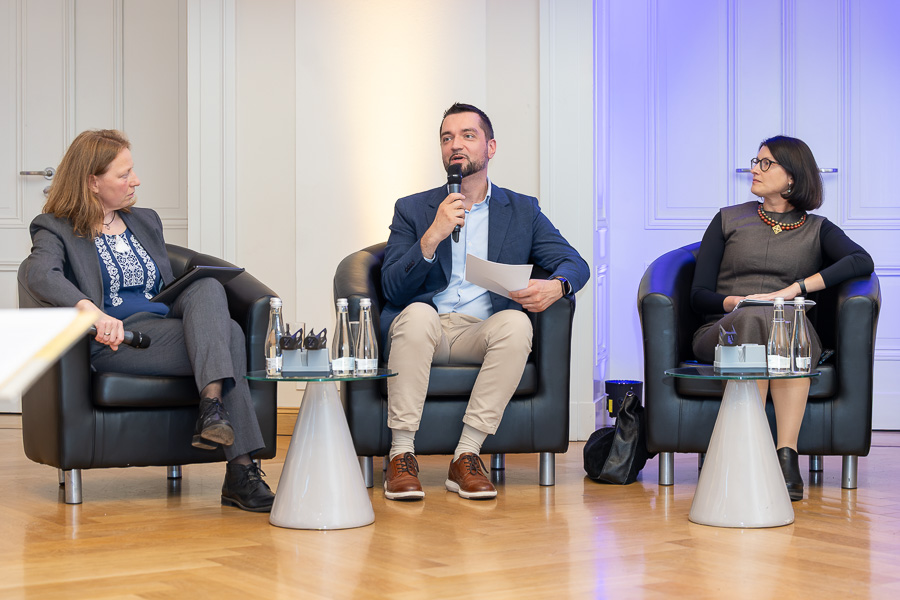
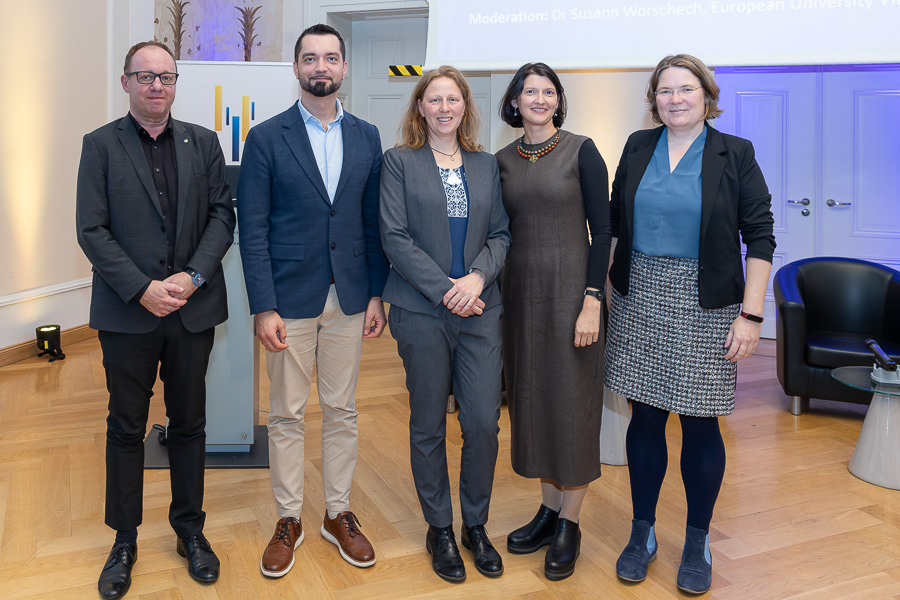
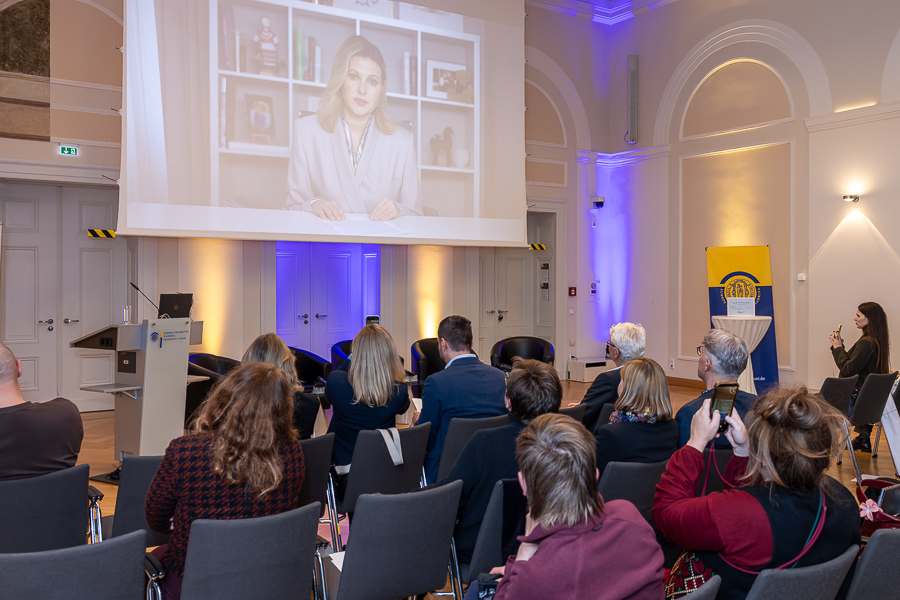
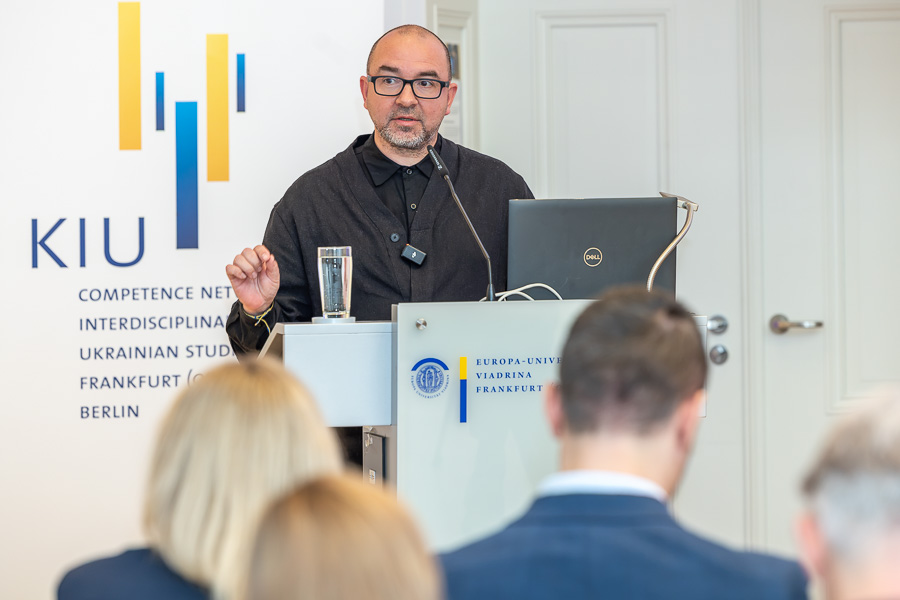
Mariya Zoryk from the Centre of Excellence for Interdisciplinary Ukrainian Studies (KIU) chaired the event.
Welcome message from Anke Reiffenstuel, Commissioner for Foreign Science, Education and Research Policy at the Federal Foreign Office
Video message from Martina Klement, Minister for Economic Affairs, Energy, Climate Protection and European Affairs in Brandenburg
Prof. Dr Olha Oseredchuk, as head of the project office, presented the work of the Global Coalition of Ukrainian Studies.
Ingo Trenkmann and Torsten Glase, Double Bachelor’s Degree in International Business Administration / IBWL with Karazin University
Panel discussion on security and resilience for a European future with Dr Susann Worschech (KIU), Volodymyr Sheiko (Ukrainian Institute), Prof. Dr Olena Palko (University of Basel), Prof. Dr Jan C. Behrends (Viadrina) and Dr Andrea Lübcke (German Bundestag) (from left to right)
In a video message, the Ukrainian First Lady and Ambassador of the Global Coalition for Ukrainian Studies, Olena Selenska, praised the university’s existing commitment. She emphasised that Viadrina had long since moved beyond individual projects and established a comprehensive infrastructure for Ukrainian studies – ranging from the KIU – Competence Network Interdisciplinary Ukrainian Studies and the Viadrina Ukrainian Law Campus to structured degree and PhD programmes.
How can Ukrainian studies be permanently established at German universities – regardless of the immediate focus on the war? And how can Ukrainian academics be involved on an equal footing in the development of research and teaching? These questions shaped the opening speeches, discussions and panel debates surrounding the signing of the memorandum.
Viadrina presented several of its initiatives in the field of Ukrainian studies. Dr Susann Worschech presented the KIU, which brings together research and teaching on Ukraine and with Ukraine, and which was awarded the Ukrainian Studies Distinguished Award this year. Prof. Dr Benjamin Lahusen explained the Viadrina Ukrainian Law Campus, a joint project with the National University of Kyiv-Mohyla Academy, which offers Ukrainian law students a study environment in Frankfurt (Oder) and maintains their connection to Ukrainian higher education. Stefan Henkel, Head of the International Office, presented the German-Ukrainian University Network. A study course on transitional justice, planned in collaboration with the Kyiv-Mohyla Academy, is also among the initiatives aimed at further expanding this cooperation.
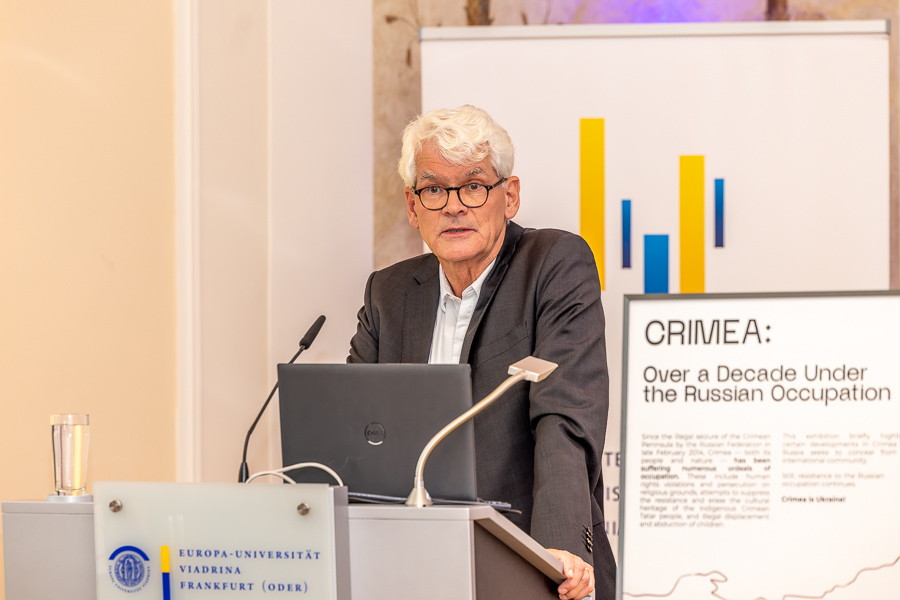
The panel discussion ‘Security & Resilience for a European Future’ focused on the importance of Ukrainian studies for understanding political and social developments in Europe. Volodymyr Sheiko, Director-General of the Ukrainian Institute, pointed out that Ukraine and Eastern Europe had long been viewed in Germany from a post-Soviet, often Russia-centred perspective. As a result, neither the democratic developments in Ukraine nor the growing Russian imperialism had been given sufficient consideration. Prof. Dr Jan Behrends added that whilst the academic community had recognised the dangers in Russia at an early stage, its findings had not always reached political decision-makers. Another key topic was the role of Ukrainian expertise: it should not merely be incorporated into European research projects, but should be involved on an equal footing in shaping them.
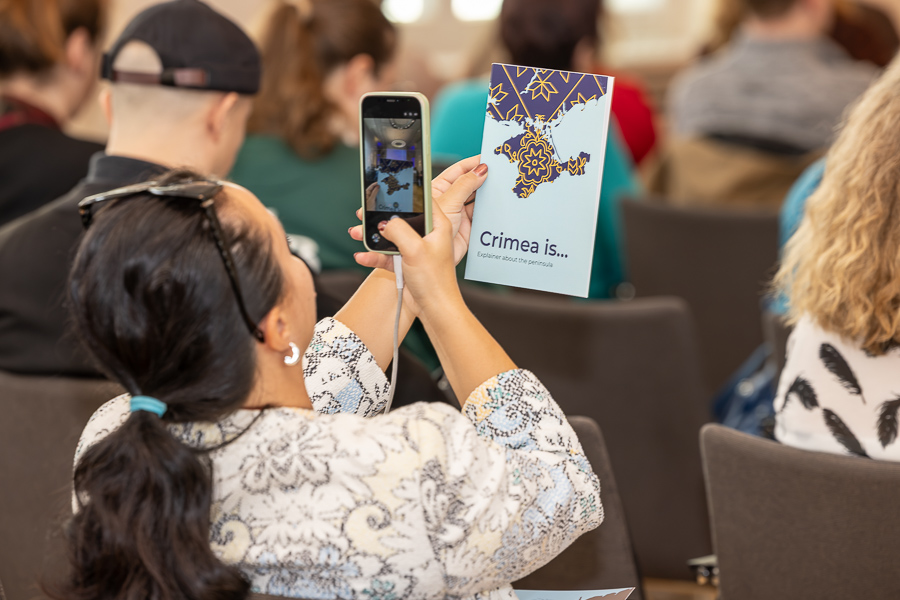
The opening was accompanied by the exhibition “Crimea: Over a Decade Under the Russian Occupation”. Alina Olefir from the Mission of the President of Ukraine in the Autonomous Republic of Crimea introduced the exhibition, which highlights various dimensions of the Russian occupation of the peninsula.
The day concluded with a keynote speech by the Ukrainian philosopher and journalist Volodymyr Yarmolenko, who had previously presented his book “The Culture of ‘Despite Everything’: How Ukraine Helps Europe” at the Frankfurt Book Fair. In his talk, he spoke about freedom as an ‘attitude of defiance’ and about how Ukraine is asserting its freedom in the face of Russian attacks. “If we return to the German philosopher Immanuel Kant’s idea of the ‘condition of the possible’, it can be said that Russia repeatedly creates a state of the impossible: by attacking Ukraine and destroying critical infrastructure. Ukraine, however, carries on and practises freedom – in spite of everything,” said Yarmolenko. In an era of recurring imperial ambitions, Yarmolenko argued, it is the duty of societies to stand up for democracy.
Ukrainian Week will take place from 12 to 16 October 2026 at selected German universities and academic institutions, including in Tübingen, Regensburg and Munich. It is organised by the Global Coalition for Ukrainian Studies, the Ukrainian Institute and the Embassy of Ukraine in Germany. The aim is to strengthen German-Ukrainian cooperation in research and teaching and to establish Ukrainian studies as a permanent feature at German universities.
Original text: Mariya Zoryk, translated by DeepL and edited
Back to the news portal
Share article: