
From a two-week summer school to a global community
Students, researchers, activists and artists from 16 countries worked together at the twelfth edition of the Viadrinicum Summer School from 16 to 30 August 2026. Under the title ‘Practising Urban Junctures: The Cooperative City and Its Social Implications’, they explored, amongst other things, forms of communal living, experimented with future urban planning concepts and – in a very practical and sustainable way – built street furniture.
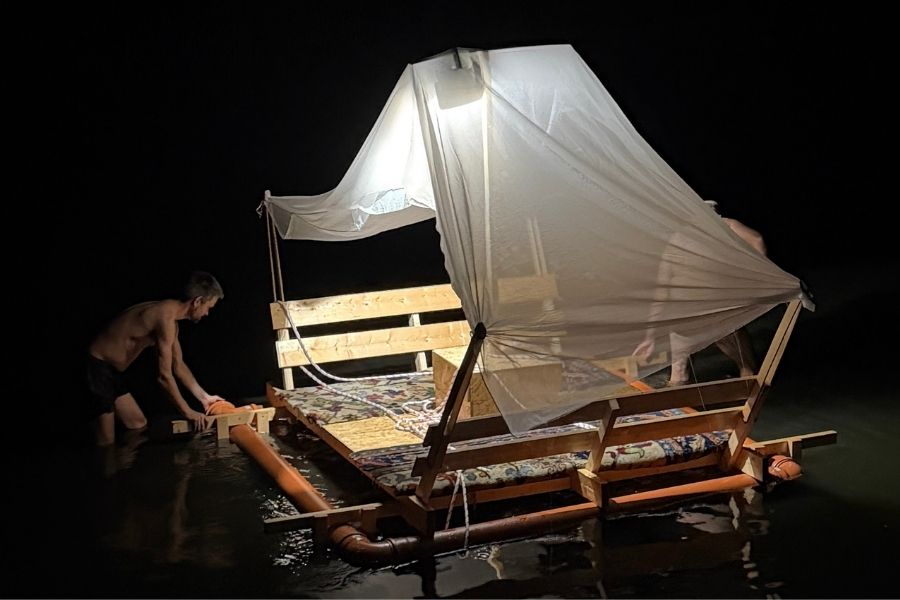
At the final presentation of the summer school’s results, something is indeed floating quietly and brightly on the dark waters of the River Oder: a raft complete with a carpet, fairy lights and seating, built by Amira Mikhod and Mohamed Amine Khadiri. They have just completed their architecture degrees in Marrakesh and wanted to contribute something from their Moroccan homeland to the summer school. “In the Atlas Mountains, you can ride on rafts like this and drink tea. When we were walking here behind the canteen on the bridge over the river Oder, it sprang to mind,” explains Amira Mikhod, describing how she came up with the idea. They spent several days sawing and screwing on campus, joining wood and pipes together to create a functional raft.
galerie-viadrinicum
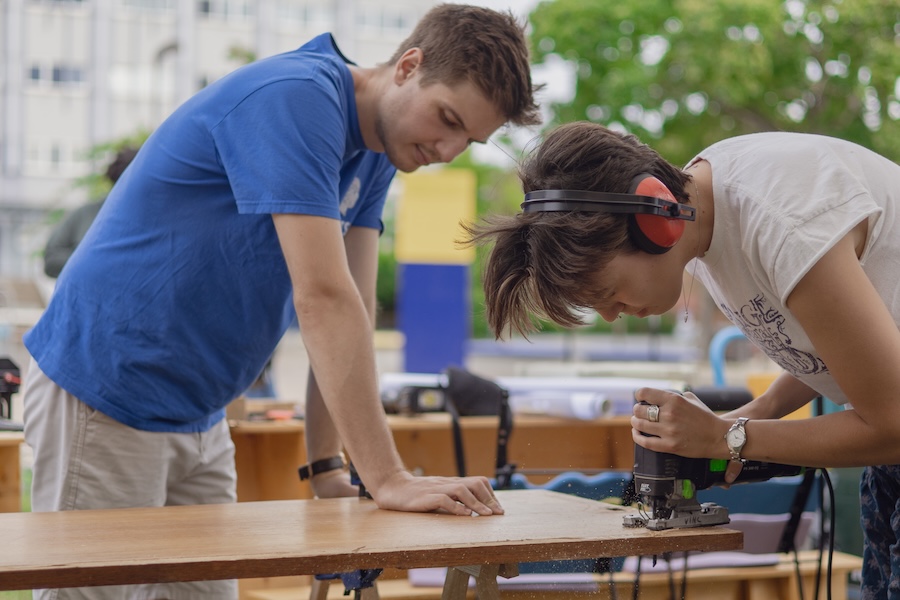
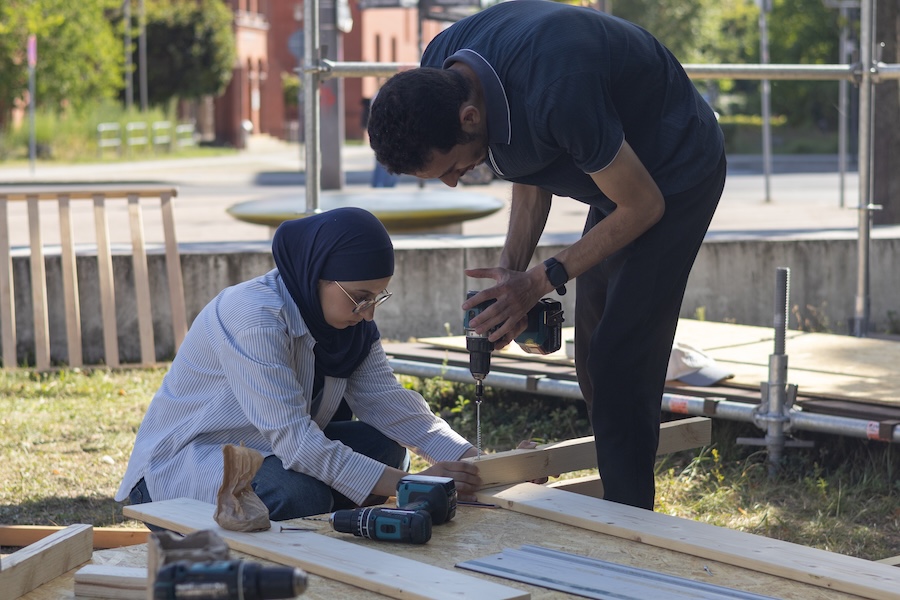
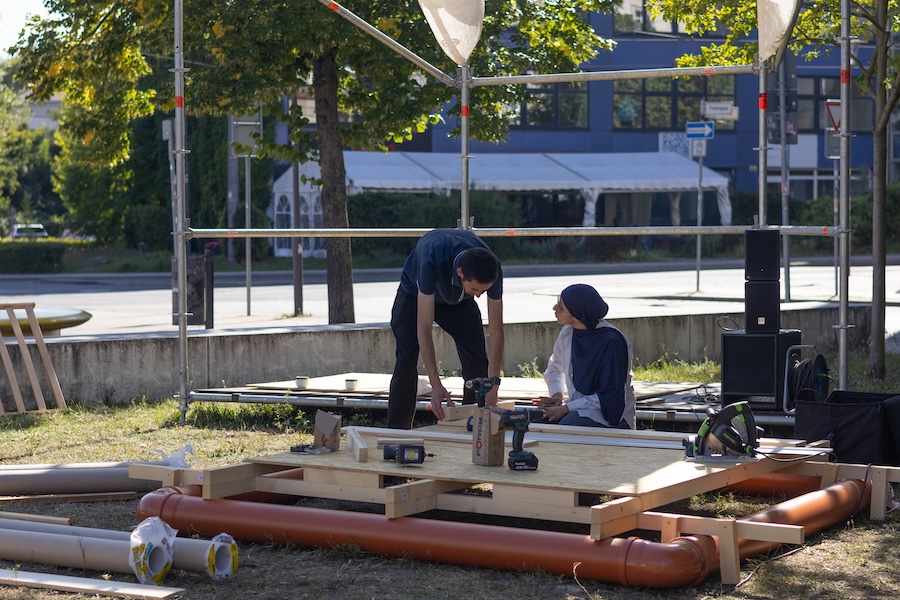
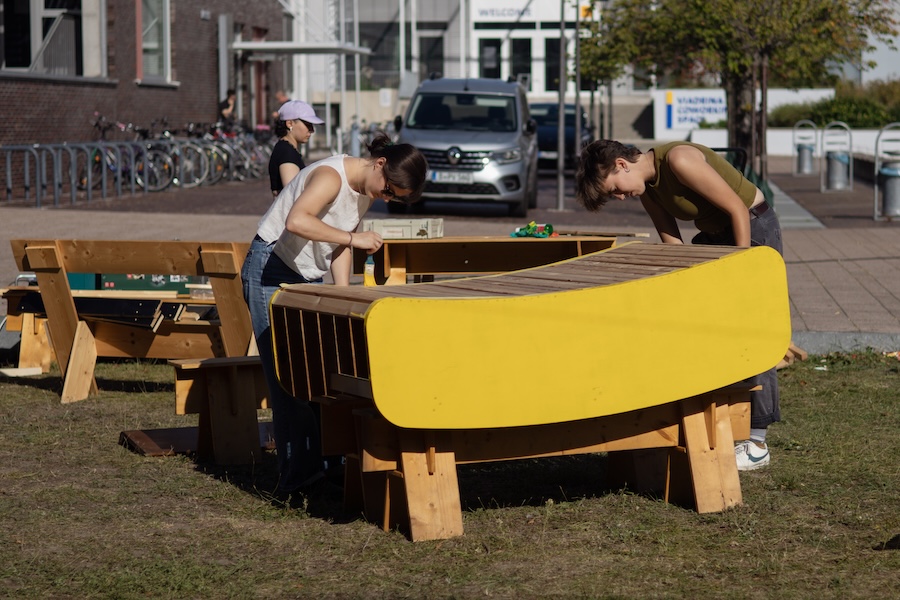
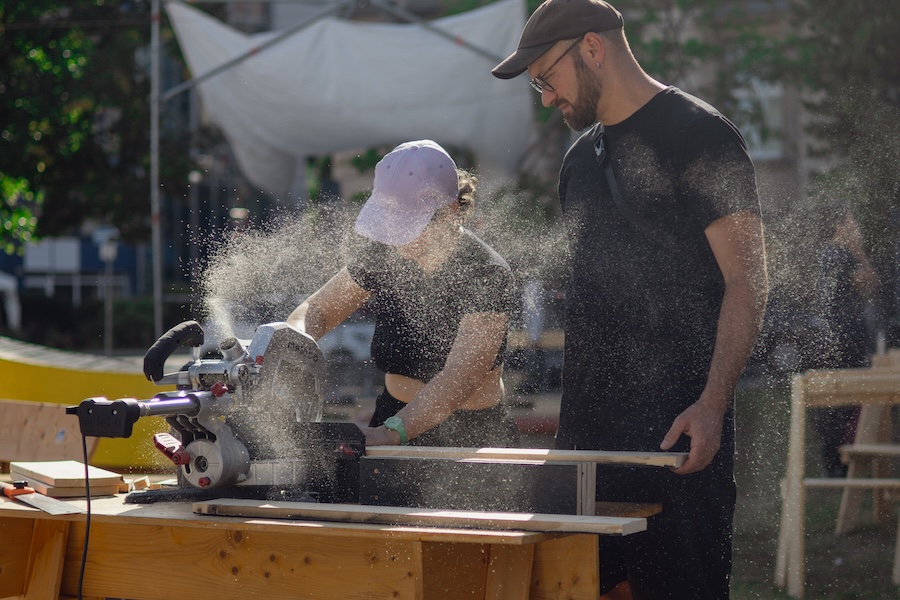
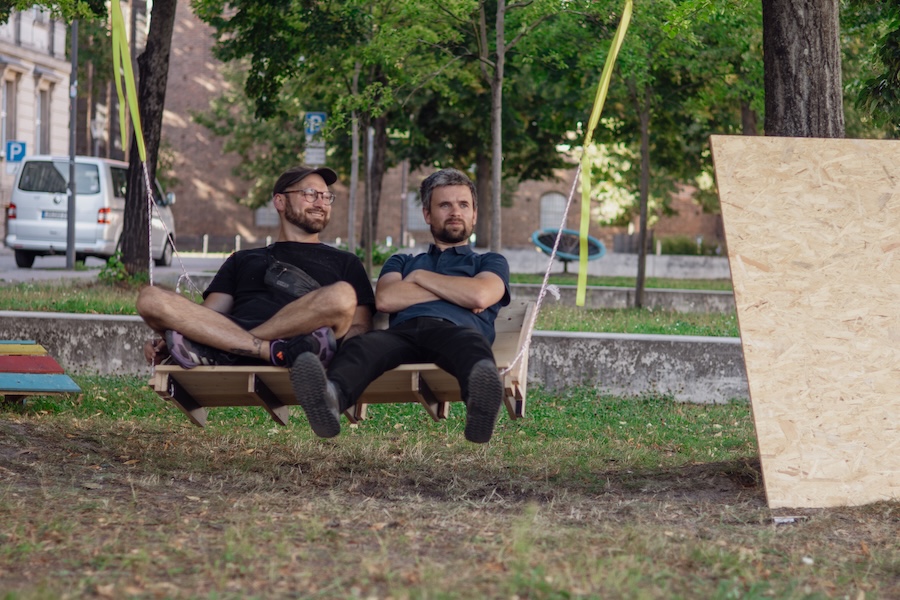
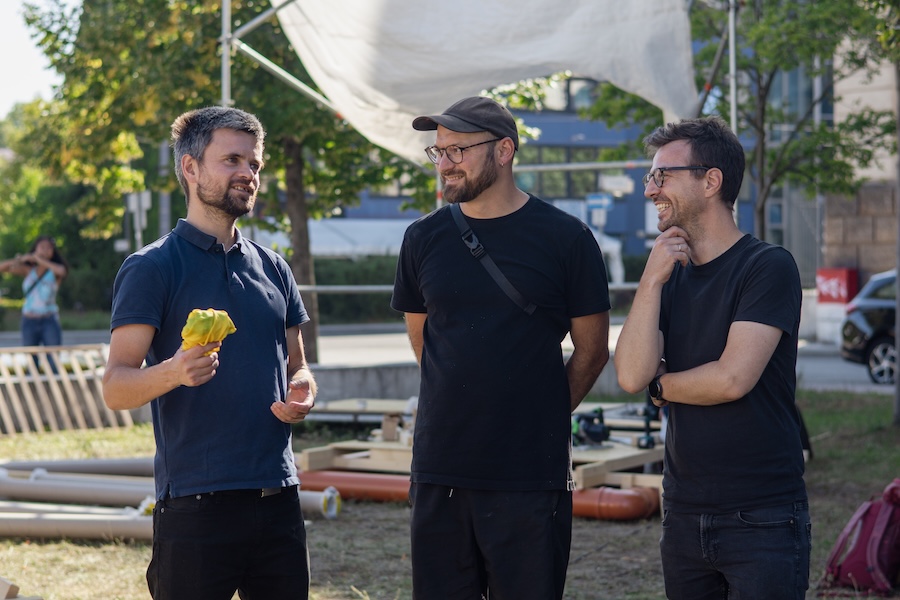
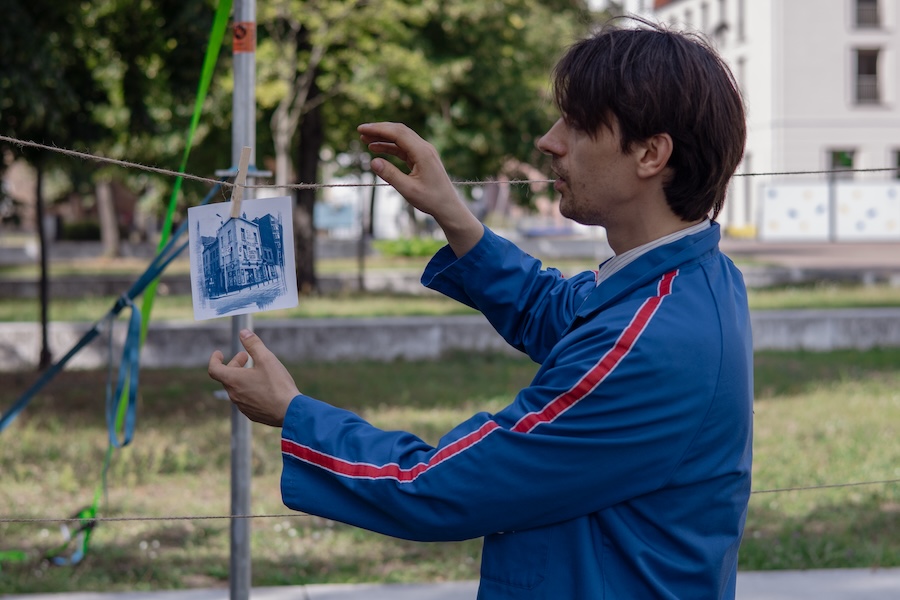
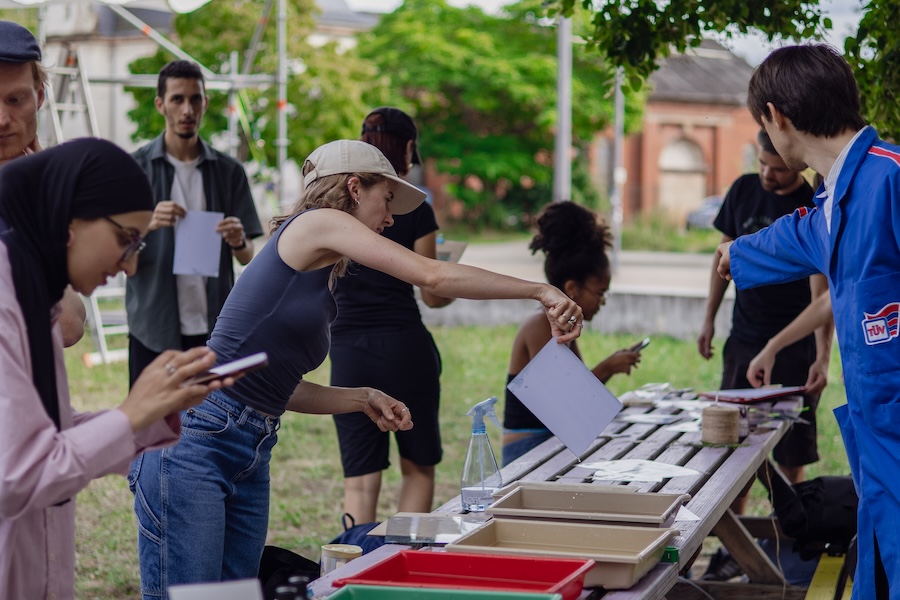
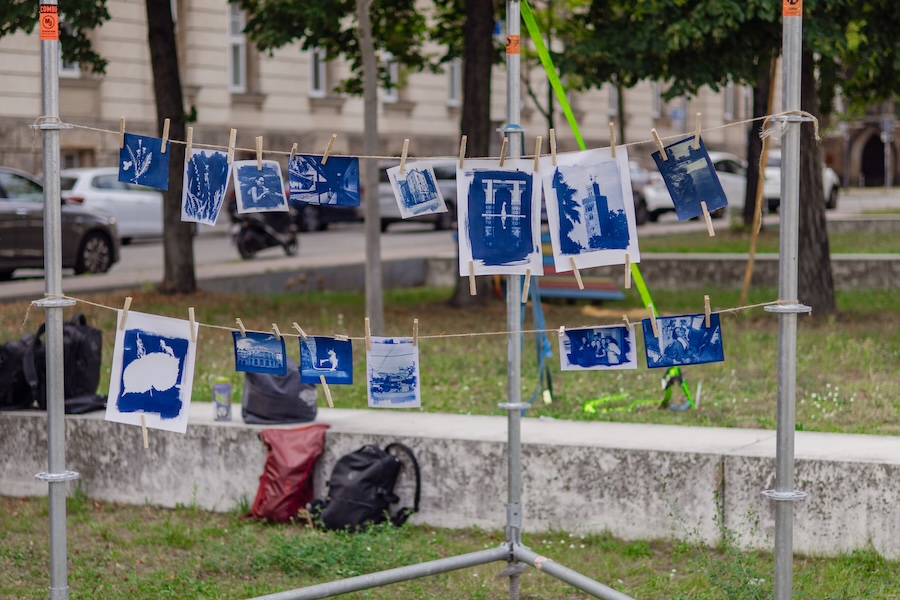
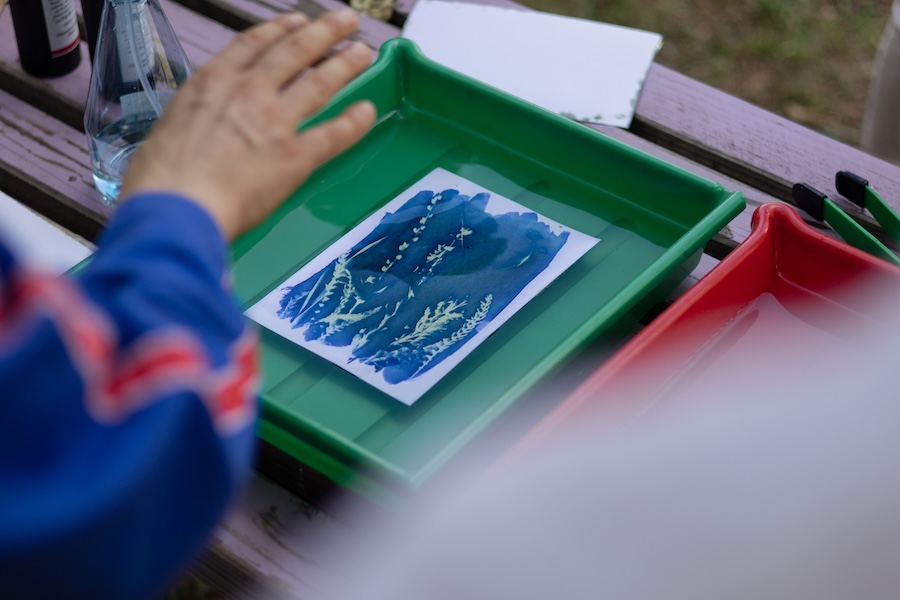
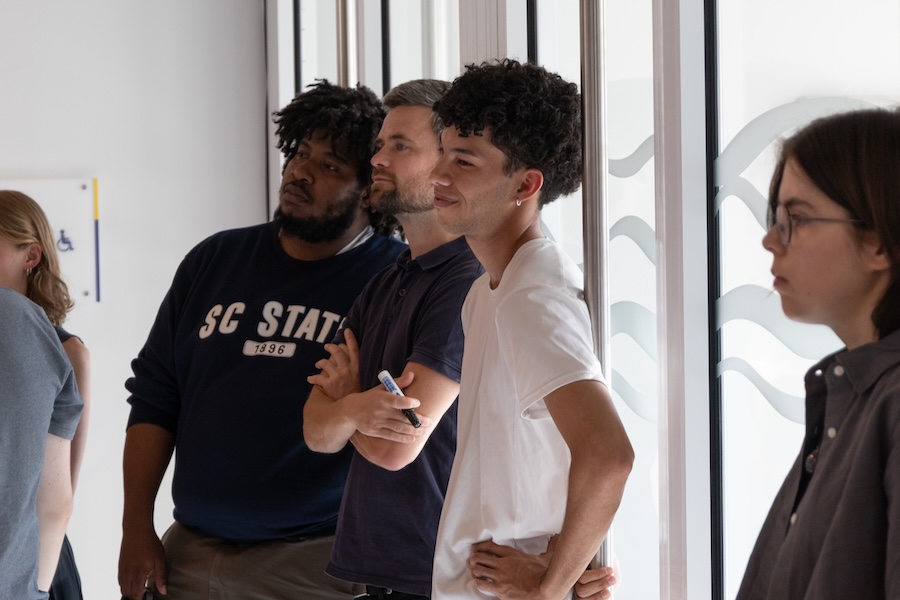
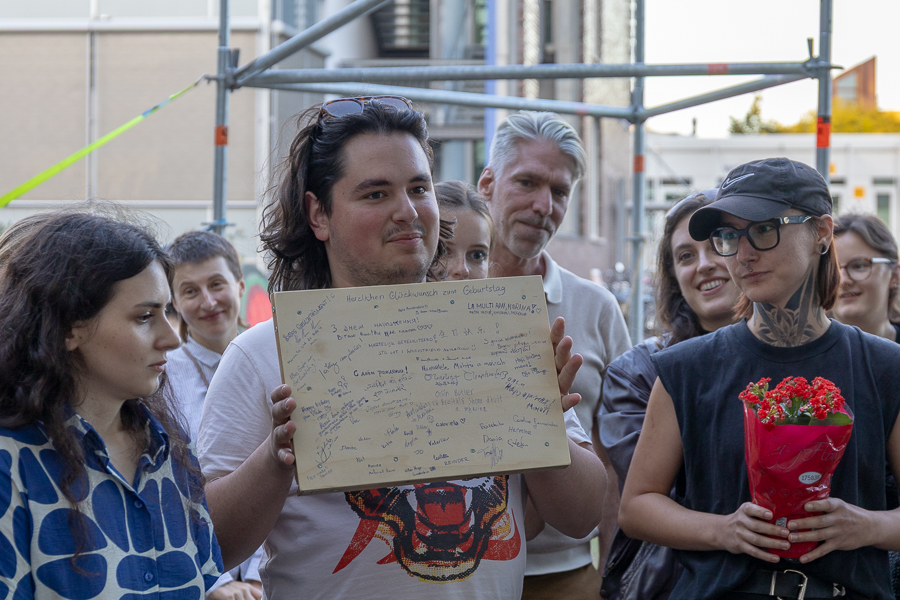
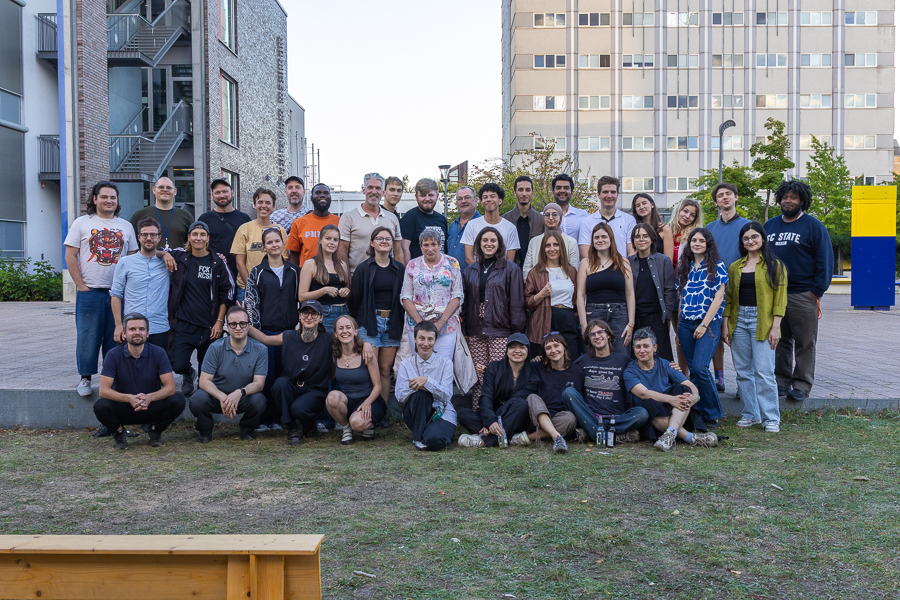
For Vincent Dino Zimmer, working with tools and machines is also a form of empowerment
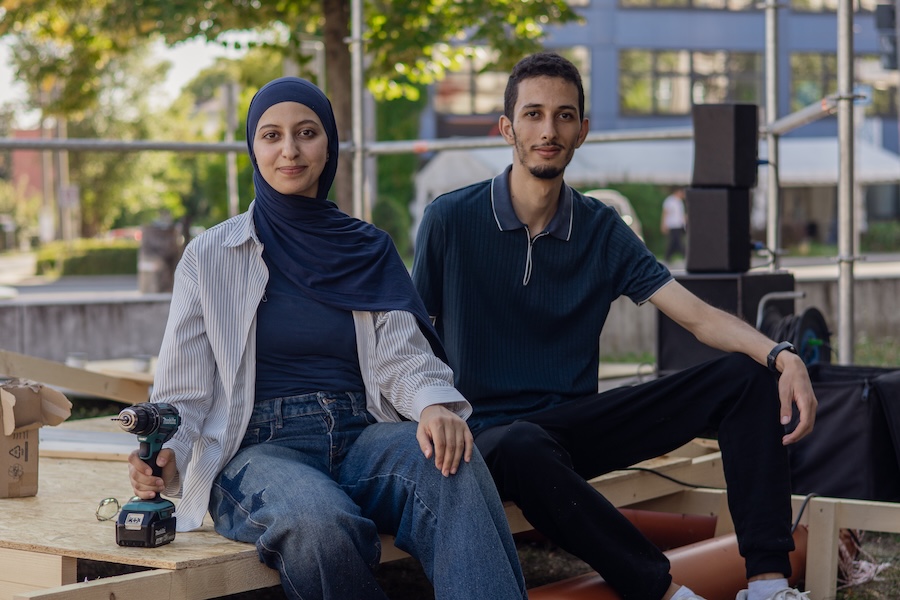 After attending numerous summer schools in Morocco and, most recently, in Antwerp, the two students specifically sought out a summer school in Germany. Amira Mikhod and Mohamed Amine Khadiri particularly appreciate the interdisciplinary and international nature of the programme: for two weeks, they worked with participants from Brazil, India and China, amongst others, who in turn brought their ideas from the social sciences, the arts, activism and other fields. Alongside the practical work, they learnt together from local stakeholders about urban projects in Frankfurt (Oder), about the collaboration between the local authorities and civil society, and about techniques for fostering understanding. “There’s no concept like this in Morocco,” says Mohammed Khadiri of the Viadrinicum. When asked what he is taking back to Morocco with him, he therefore replies decisively: “This summer school. We’d love to set up something like this in Marrakesh and then invite the participants to visit us.”
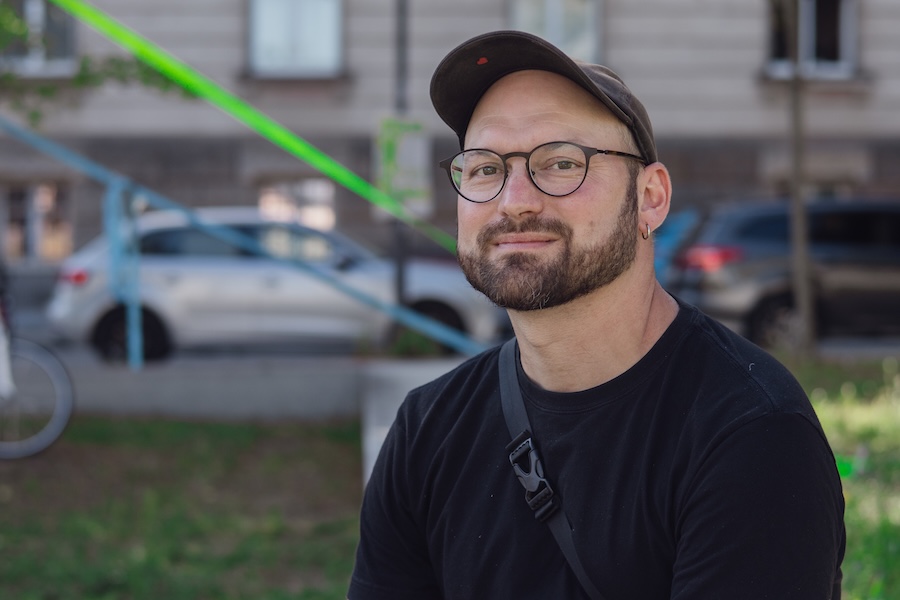 Alongside the raft, many other pieces of furniture have been created on the lawn between the Audimax and the Main Building of the Viadrina: several light-coloured chairs with wide, sloping backs are arranged in a semicircle on the grass as the summer school draws to a close; the yellow paint is drying on a banana-shaped rocking chair; a large swing hangs from the trees. At Club Stuck, just a few hundred metres away, a new bar counter was built as part of the summer school. “We’re leaving something behind here in the city,” says Vincent Dino Zimmer from the Kollektiv Plus X with satisfaction. He has been part of the summer school for five years now – initially as part of an urban intervention on Zukunftsplatz, and this year as a facilitator in the Makers Lab. “The actual making doesn’t really matter; it just happens along the way,” he says of his working philosophy. “For me, it’s about empowerment, about working with tools; sometimes that means overcoming cultural or gender-specific barriers,” says Vincent Dino Zimmer. Ultimately, he believes, every piece of furniture you make yourself is also a small step towards changing the world. He particularly values the Viadrinicum programme as a place for exchange: “An incredible wealth of knowledge comes together here. The best thing is the international atmosphere. The topics we discuss here are debated in such different ways in all our countries of origin.” For him, the summer school has now become a global family.
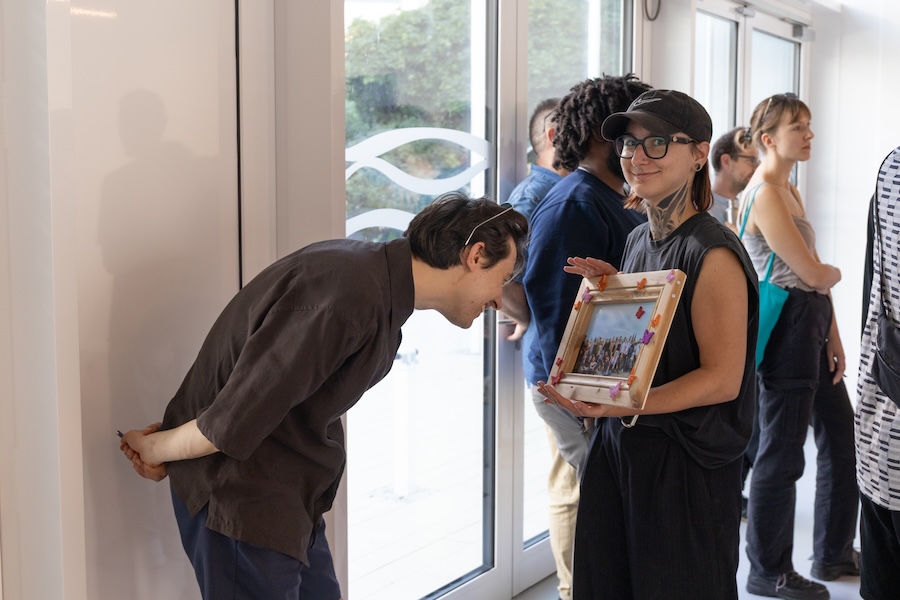
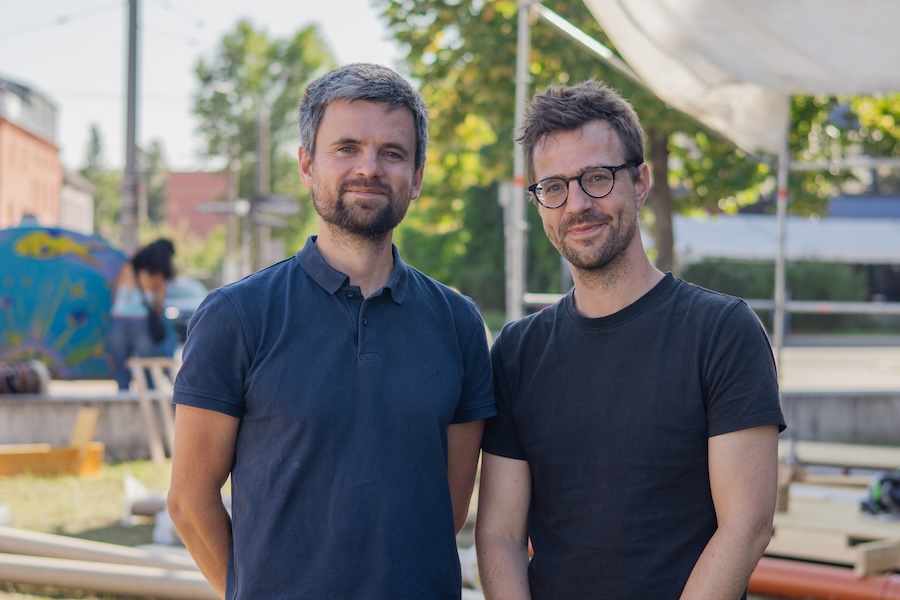 This observation is confirmed by the Viadrinicum organisers Stefan Henkel and Kirill Repin. Former participants, now professors, send their students to the Viadrinicum; others screen their films as part of the supporting programme or pass on their knowledge and skills in the various labs. “The summer school is more than just these two weeks; it’s a community to which people keep returning in various roles,” says Kirill Repin. Every year, it is a major challenge for the team to select participants from hundreds of applications. Another difficult task is securing funding; this year, the Handwerkskammer, the Stuck and the Studierendenwerk have been brought on board as new partners. The venue is also new: after several years at Zukunftsplatz near the Oder Bridge, the Viadrinicum is now taking place on campus. “Here we’re more visible to the university and can clearly demonstrate what teaching outside the seminar rooms can look like,” says Stefan Henkel. The audience is quite clearly a different one. “I don’t really feel like I’m part of the city here,” Kirill Repin points out. However, the summer school’s connection to the city is ensured in other ways: whether through discussion groups with local activists, via the furniture used by various initiatives, or at public film evenings open to everyone.
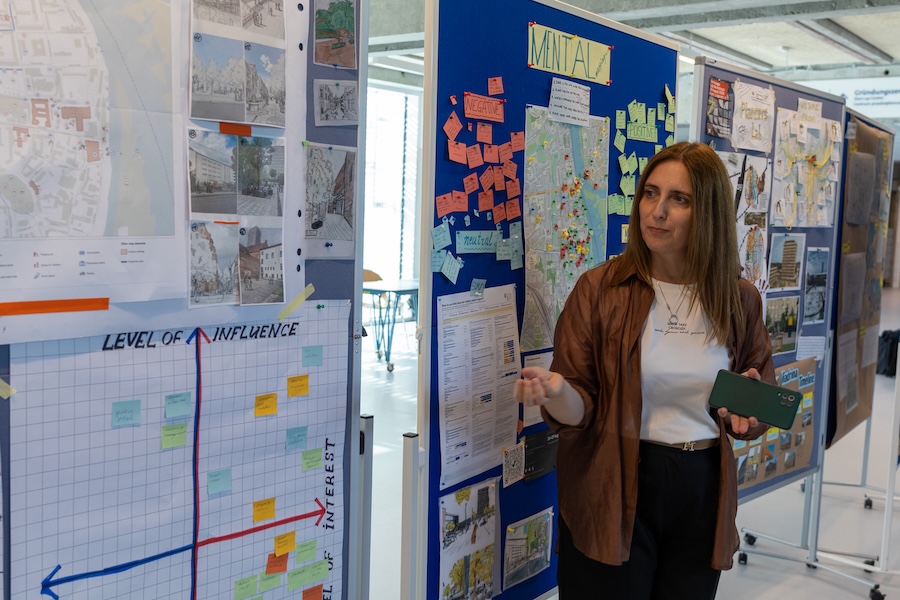
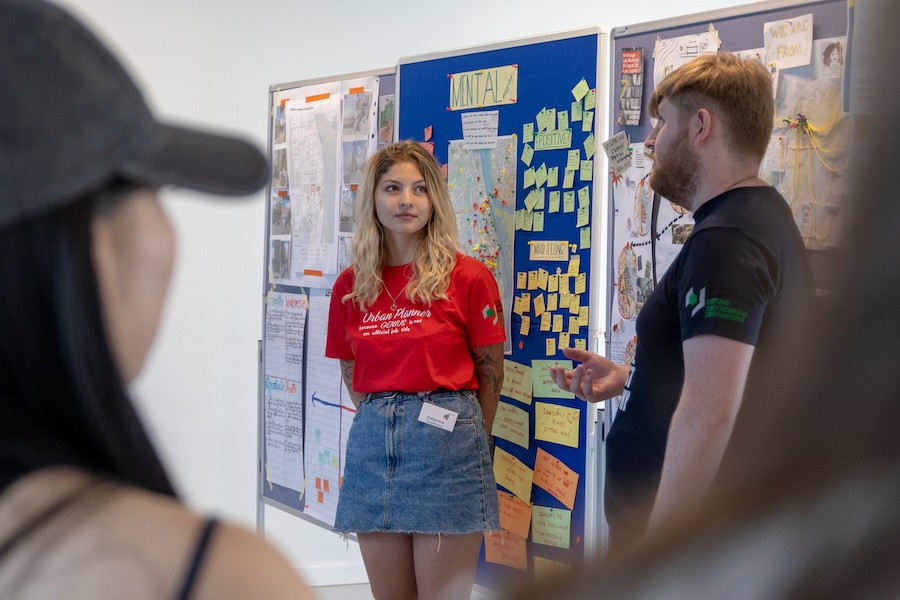
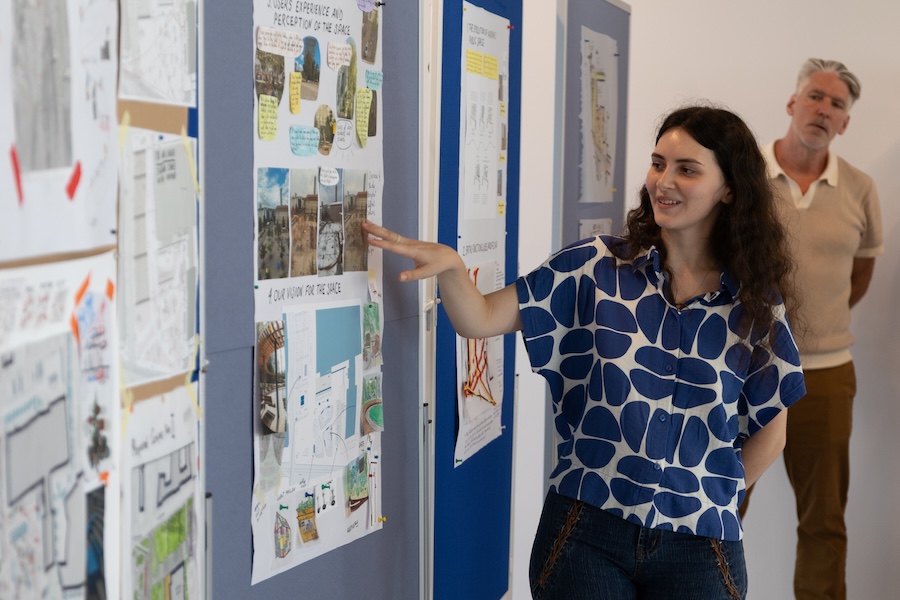
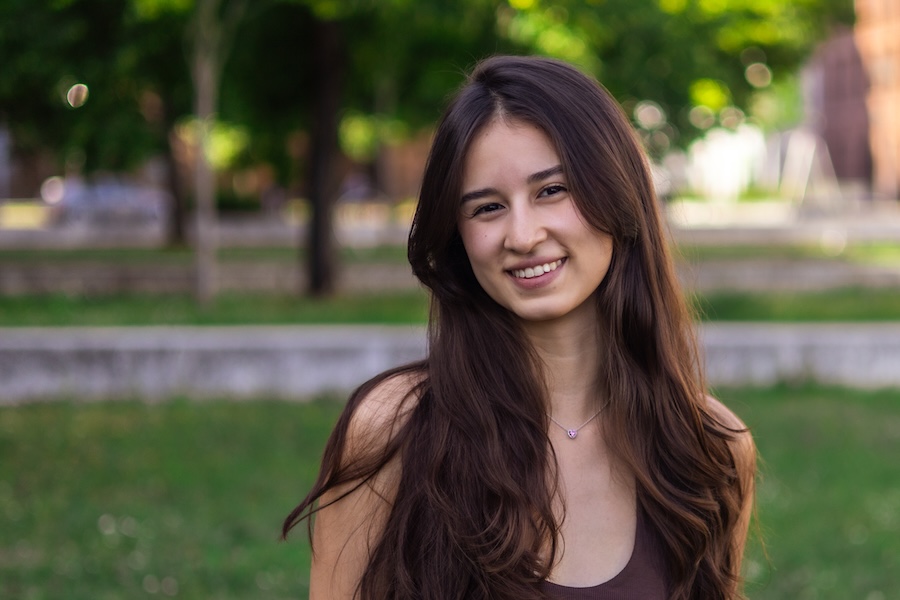 Gabriela Duarte da Silva Bittencourt, who is studying architecture and urban planning in São Paulo, Brazil, has taken a closer look at the unique setting of the summer school. Whether out on the lawn below or from the seminar room in the Audimax building, her research focus is always right in front of her eyes: the campus area, stretching from the playground, across the lawns, to the space in front of the students' dorm. “We looked at who uses this space and asked people what they’d like to see,” says Gabriela Bittencourt, describing her project at the Planners Lab. Together with other participants, she is working on a design for the space that will create a place for people of all ages. “We want to create something that encourages people to stay,” she says. She is particularly impressed by the interdisciplinary approach at the Viadrinicum, the freedom in fieldwork, and the fact that this isn’t about high flown theory. “Ultimately, despite all the planning, cities are first and foremost about the people who live in them,” she says, describing her main insight from the summer school.
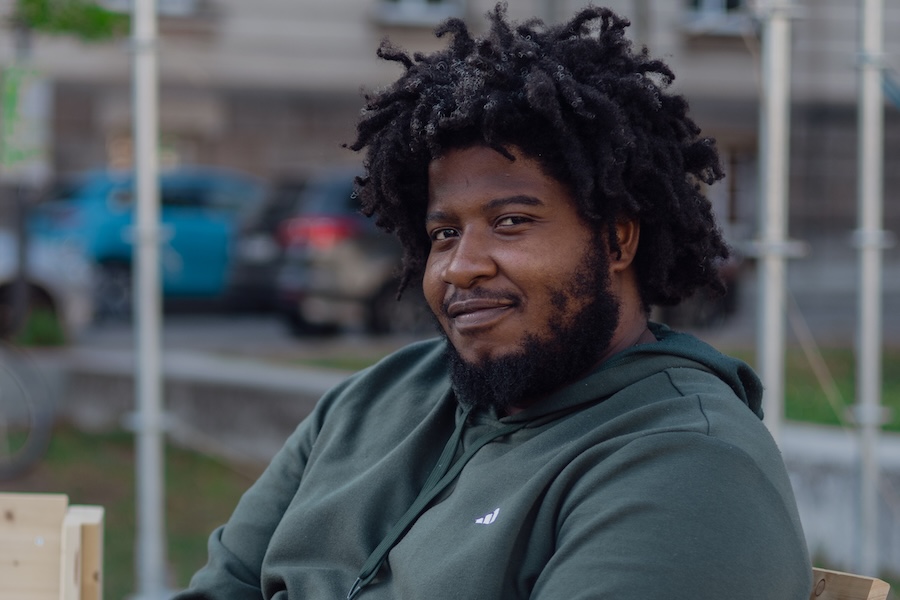 A thought with which Boitshoko Molefhi, whom everyone simply calls Mo, can agree. The PhD student in history travelled from Ohio in the USA to Frankfurt to attend the summer school. A German history lecturer had told him about it. At the DocLab, Boitshoko Molefhi’s thoughts revolve around the question of how people in this twin city cope with its complicated history, its ruptures and traumas, how they live together in a European twin city whilst at the same time planning for the future. He is fascinated by the close proximity of buildings from different eras, such as the former socialist district party school (now the Audimax) and the former drill hall opposite. “We often talk about cities or regions in broad strokes. But when you experience everyday life, that changes the picture,” he is convinced. The summer school gave him an opportunity to "touch grass" and get to know everyday life in Eastern Europe. The greatest benefit, he says, is the many different cultures and schools of thought that come together at the Viadrinicum. His conclusion: “This is a wonderful place for learning and exchange.”
Frauke Adesiyan
Back to the news portal
Share article: